5 Wellness Challenge Ideas Using a Phone-Based Platform
Discover 5 actionable ideas for running team-based corporate wellness challenges using phone-based workplace wellness program tools to drive employee engagement.
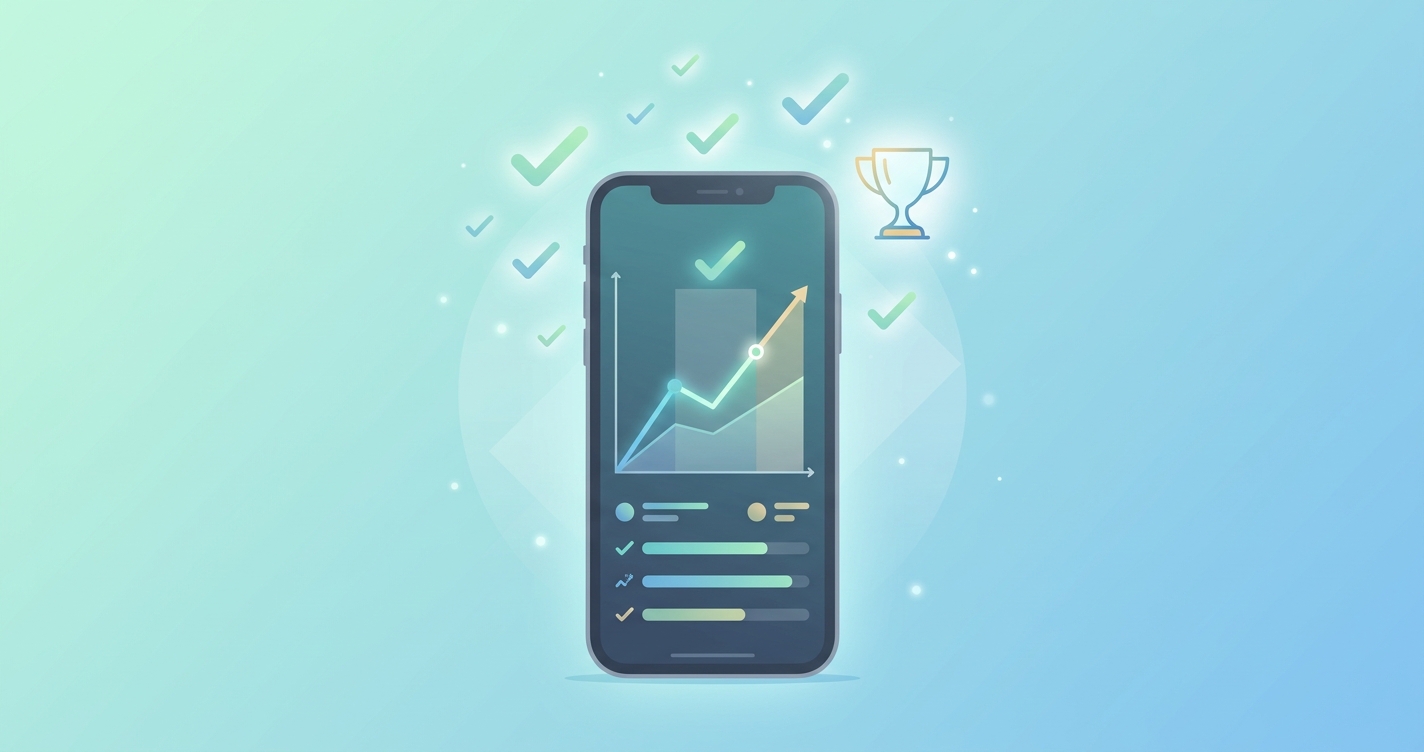
Most wellness directors inherit a program where participation predictably spikes in January and collapses by March. The standard playbook for maintaining momentum usually defaults to step counts or hydration tracking, metrics that quickly alienate employees who already feel overwhelmed by corporate mandates. But the issue is not that employees reject health initiatives; it is that traditional workplace wellness program tools lack the personalization required to keep participants invested beyond the first two weeks. A shift toward phone-based biometric screening platforms allows benefits teams to design challenges rooted in individual health awareness rather than generic activity quotas.
"Well-designed gamified wellness programs can increase participation rates by up to 85 percent, while team-based initiatives specifically drive a 30 to 50 percent increase in ongoing engagement." (AmplifAI Industry Report, 2024)
The problem with legacy corporate wellness challenges
The primary limitation of the traditional corporate challenge is equity. A marathon runner will always outperform a desk-bound employee with a long commute, making the challenge inherently demotivating for the exact population the wellness program needs to reach most. Traditional methods also suffer from administrative bloat. Benefits teams spend weeks manually tallying step logs, resolving disputes over device synchronization, and managing the distribution of physical prizes. This administrative burden detracts from the actual goal of the wellness program, which is to support employee health.
By utilizing a digital platform accessed via smartphone, employers can transition from raw activity tracking to relative health improvements while simultaneously automating the administrative workload. This approach normalizes the experience. Employees do not need to buy an expensive wearable device or log their activities manually. They simply use their smartphone camera to capture a baseline reading of their vital signs.
5 wellness challenge ideas using a phone-based platform
Implementing gamification in wellness requires a strategic approach that respects employee privacy while driving participation. Here are five actionable employee engagement ideas using a digital health platform.
1. the biometric baseline sprint
Instead of competing for the highest step count, the Biometric Baseline Sprint rewards consistency. The goal is for employees to establish a clear picture of their resting vitals over a 30-day period.
Participants earn points by completing a weekly scan using their phone. Because physiological metrics fluctuate based on time of day, stress, and hydration, the challenge encourages employees to scan at the same time each week. The winner is not the person with the lowest blood pressure, but the individual or team with the most consistent tracking streak. This format normalizes the habit of checking in on one's health without attaching judgment to the actual numbers.
2. departmental health literacy leagues
Knowledge retention is a major hurdle in corporate benefits. This challenge integrates the phone-based screening platform with existing health education modules.
Each week, the wellness team releases a short piece of content regarding a specific health topic, such as the impact of sleep on heart rate or how stress affects blood pressure. To complete the weekly challenge, employees must read the material and perform a phone scan to see their own real-time metrics. Departments compete against one another for the highest completion rate. This structure turns abstract digital wellness activities into concrete, personalized learning moments.
3. the stress and recovery protocol
Occupational burnout is a critical concern for benefits consultants and HR leaders. The Stress and Recovery Protocol is a specialized challenge that asks employees to measure their vital signs before and after a designated recovery activity, such as a five-minute guided breathing exercise or a short walk away from their desk.
Participants use the smartphone platform to check their resting heart rate. They then complete the short recovery exercise and scan again to observe any stabilization in their metrics. Teams earn points for logging these recovery sessions throughout the workweek. This challenge directly addresses workplace stress while teaching employees how small behavioral changes can yield immediate physiological results.
4. the habit-building relay
Team dynamics are powerful motivators. In the Habit-Building Relay, employees are grouped into small teams of four or five. The challenge operates on a weekly cycle where every team member must complete a specific action for the team to advance.
Actions might include completing a mid-week health scan, reviewing a personalized insight generated by the platform, or setting a specific wellness goal for the month. If one team member forgets, the team does not earn their weekly badge. This peer-to-peer accountability model utilizes the convenience of phone-based tools to ensure that participation requires only a few minutes, reducing the friction that usually causes relay challenges to fail.
5. the "know your numbers" launch sprint
Often used during open enrollment or the rollout of a new benefits package, this challenge is designed for maximum immediate adoption. It is a two-week sprint where employees are incentivized to download the platform, complete their initial setup, and perform their first baseline scan.
Employers can offer tiered rewards based on departmental participation thresholds. For example, if a department reaches an 80 percent participation rate in the first week, they unlock a specific reward. The smartphone platform is ideal for this because it removes the logistical barriers of scheduling an appointment or visiting a clinic.
Evaluating workplace wellness program tools: a comparison
To understand why digital platforms are replacing older models, it helps to view them side by side.
| Feature | Legacy Wellness Challenges | Phone-Based Digital Challenges |
|---|---|---|
| Core Metric | Raw step counts and manual activity logs | Consistent tracking and personal health awareness |
| Accessibility | Requires wearables or tedious manual entry | Requires only a standard smartphone camera |
| Equity Focus | Favors highly active or athletic employees | Based on individual participation and education |
| Data Capture | Relies heavily on the honor system | Automated entirely through the software platform |
| Engagement Window | Typically 2 to 4 weeks before a sharp drop | Continuous interaction driven by personal curiosity |
Key metrics for wellness directors to track
When launching any of these five challenges, wellness directors must look beyond simple enrollment numbers to determine true ROI. Key indicators of success include:
- Participation rates segmented by department, shift, or geographic location
- Month-over-month engagement retention after the initial challenge concludes
- The frequency of voluntary follow-up scans performed outside of challenge requirements
- Correlation between platform usage and engagement with other corporate benefits
- Aggregate shifts in employee health literacy and wellness survey scores
Industry Applications
Different work environments require different approaches to gamification. A phone-based digital biometric screening platform offers the versatility needed to adapt these challenges across various sectors.
Deskless and retail workers
For employees working on the retail floor or in manufacturing facilities, participating in a corporate wellness event is often impossible. They cannot leave their station for a health seminar. Phone-based challenges allow these workers to participate during a standard break or from home, ensuring that the company's health initiatives actually reach the most physically demanding roles.
Corporate and tech environments
In highly digital or hybrid environments, screen fatigue is a major barrier. Wellness directors in the tech sector can use the Stress and Recovery Protocol to encourage employees to step away from their monitors. The gamification aspect appeals to data-driven professionals who appreciate seeing the real-time physiological impact of a short break.
Healthcare Providers
Hospital staff and clinical workers face intense daily stress and erratic shift schedules. The Habit-Building Relay can be adapted for nursing units, encouraging teams to check in on their own well-being before or after a long shift. Because the technology requires only a smartphone, it fits easily into the limited downtime available to healthcare professionals.
Current research and evidence
The shift toward digital health tracking in the workplace is backed by growing evidence regarding employee behavior. In 2024, Gallup reported that only 21 percent of employees globally felt actively engaged at work. Benefits leaders are increasingly turning to gamification to reverse this trend.
Research published by HubEngage in 2023 indicated that gamified wellness programs significantly increase retention by using progress tracking to build consistent participation habits. When employees are not judged by arbitrary fitness standards but are instead rewarded for engagement and learning, they are far more likely to maintain their participation throughout the year.
Furthermore, data from AmplifAI confirms that team-based challenges are particularly effective, driving a 30 to 50 percent increase in ongoing engagement. Additional studies emphasize the importance of accessibility. Employees are far more likely to engage with a program that integrates seamlessly into their existing routines. When wellness programs use a device that employees already carry and trust, the friction of adoption drops significantly.
The future of wellness gamification
The next phase of workplace wellness program tools will move entirely away from extrinsic rewards like minor gift cards or physical merchandise. Instead, the focus will shift to intrinsic motivation driven by personalized data.
Future platforms will likely integrate seamlessly with broader corporate health initiatives, linking the results of a phone-based challenge directly to personalized care navigation. If a team completes a health literacy league focused on cardiovascular health, the platform could then direct interested employees to relevant in-network cardiology resources or coaching programs. This creates a closed-loop system where gamification acts as the top of the funnel for deeper health interventions, maximizing the return on investment for the employer. As phone-based health technology evolves, challenges will become more adaptive, transforming wellness programs from generalized corporate campaigns into highly specific health management systems.
Frequently asked questions
How do phone-based wellness challenges maintain privacy?
Challenges focus on participation and consistency rather than specific health values. The platform aggregates data at the team or departmental level to track completion rates, ensuring that individual vital signs remain entirely confidential and secure.
What happens if an employee does not want to participate in a challenge?
Corporate health initiatives should always be strictly opt-in. The advantage of a phone-based platform is that it offers value even outside of a gamified challenge. An employee can still use the technology for personal health awareness without joining a team relay.
Can these digital tools replace a clinical diagnostic screening?
No. Phone-based screening platforms are designed for engagement, education, and general wellness awareness. They are not intended for diagnostic or clinical use, but rather to encourage employees to seek professional medical advice when they notice unusual trends in their baseline data.
When engagement drops, the solution is not to push harder on the same stale initiatives. It is time to upgrade the tools you use to measure and motivate your workforce. For organizations ready to modernize their approach, Circadify provides the digital infrastructure needed to turn passive participants into active health consumers. Learn how to launch a more effective strategy by scheduling an Enterprise wellness demo today.