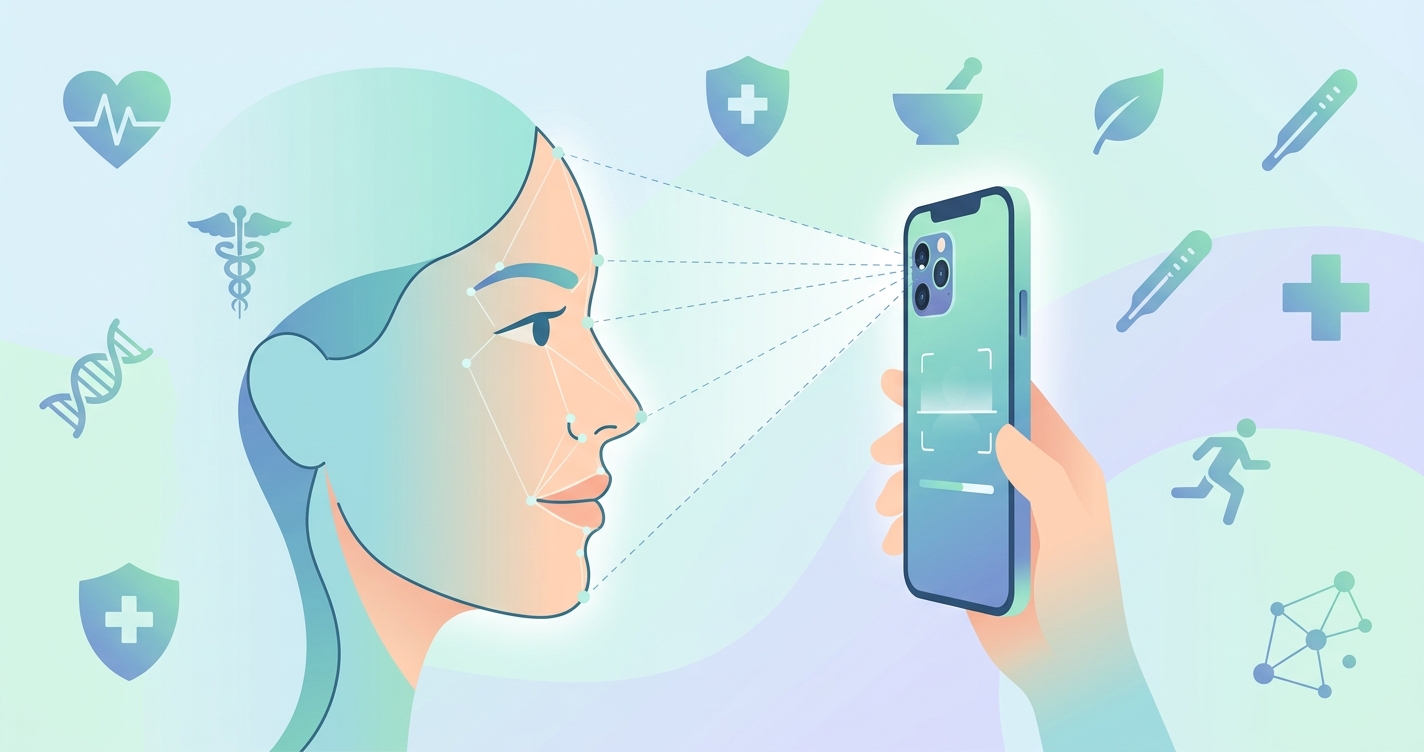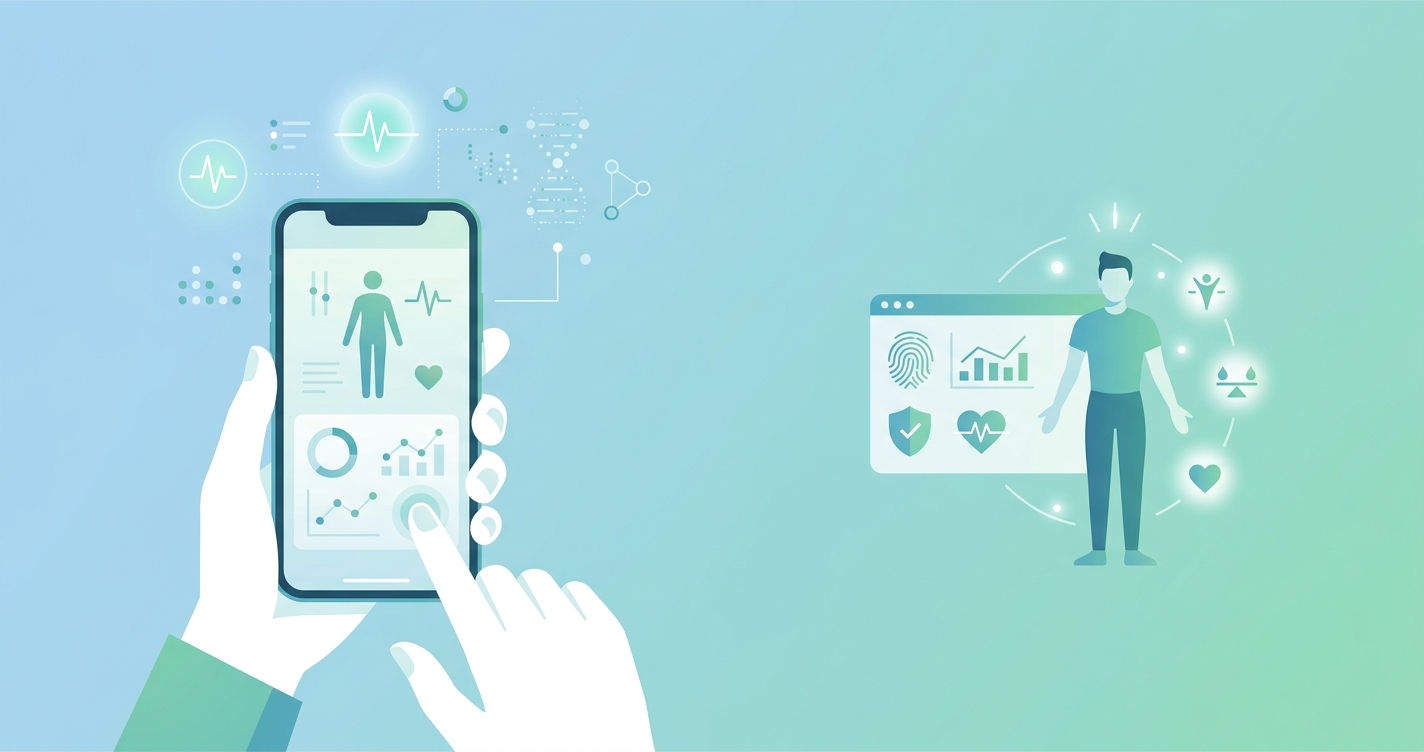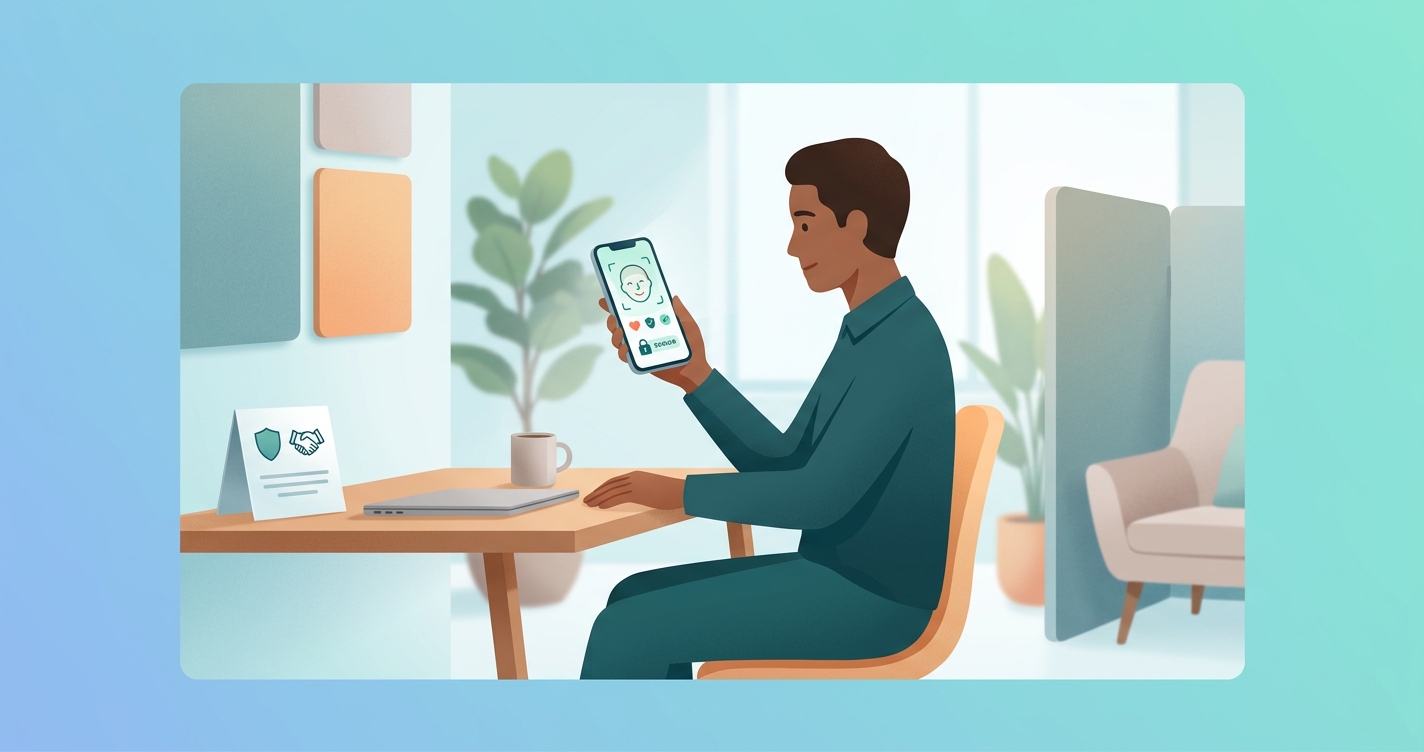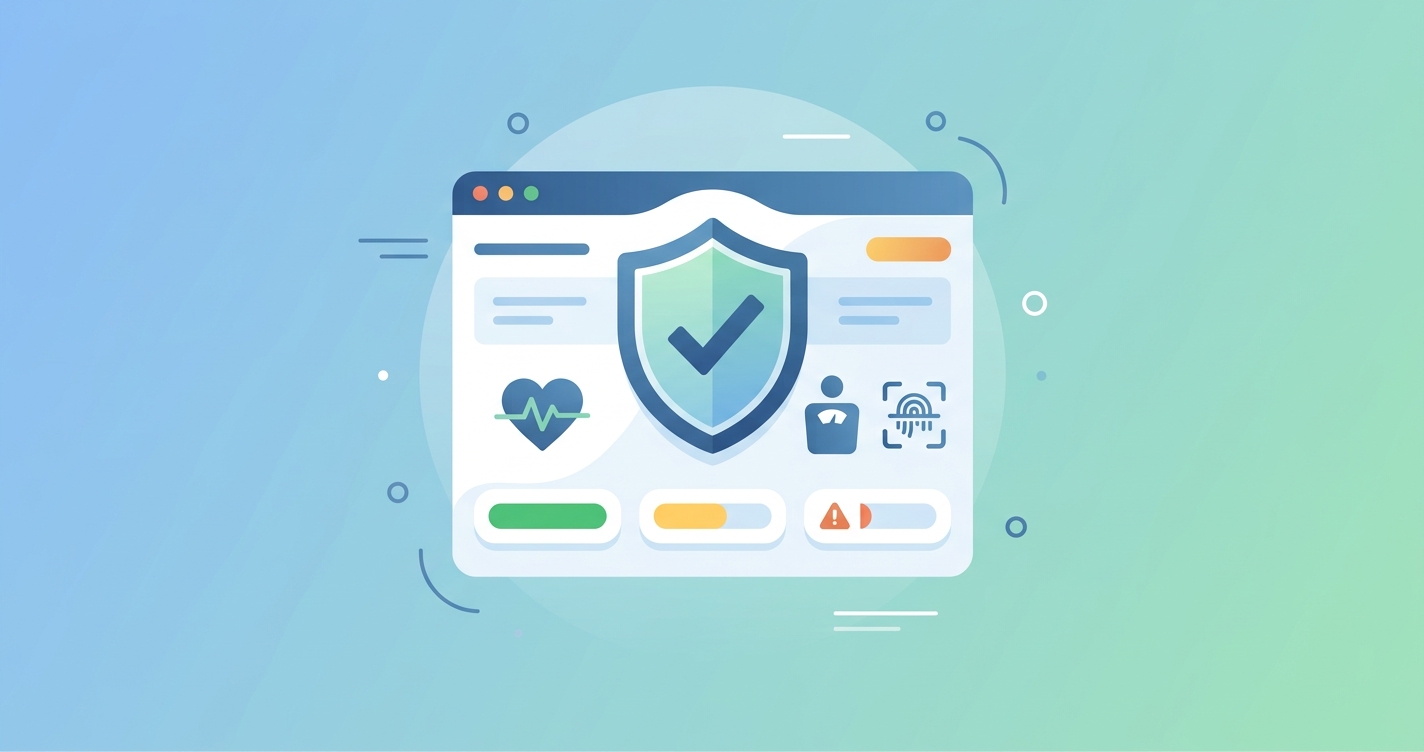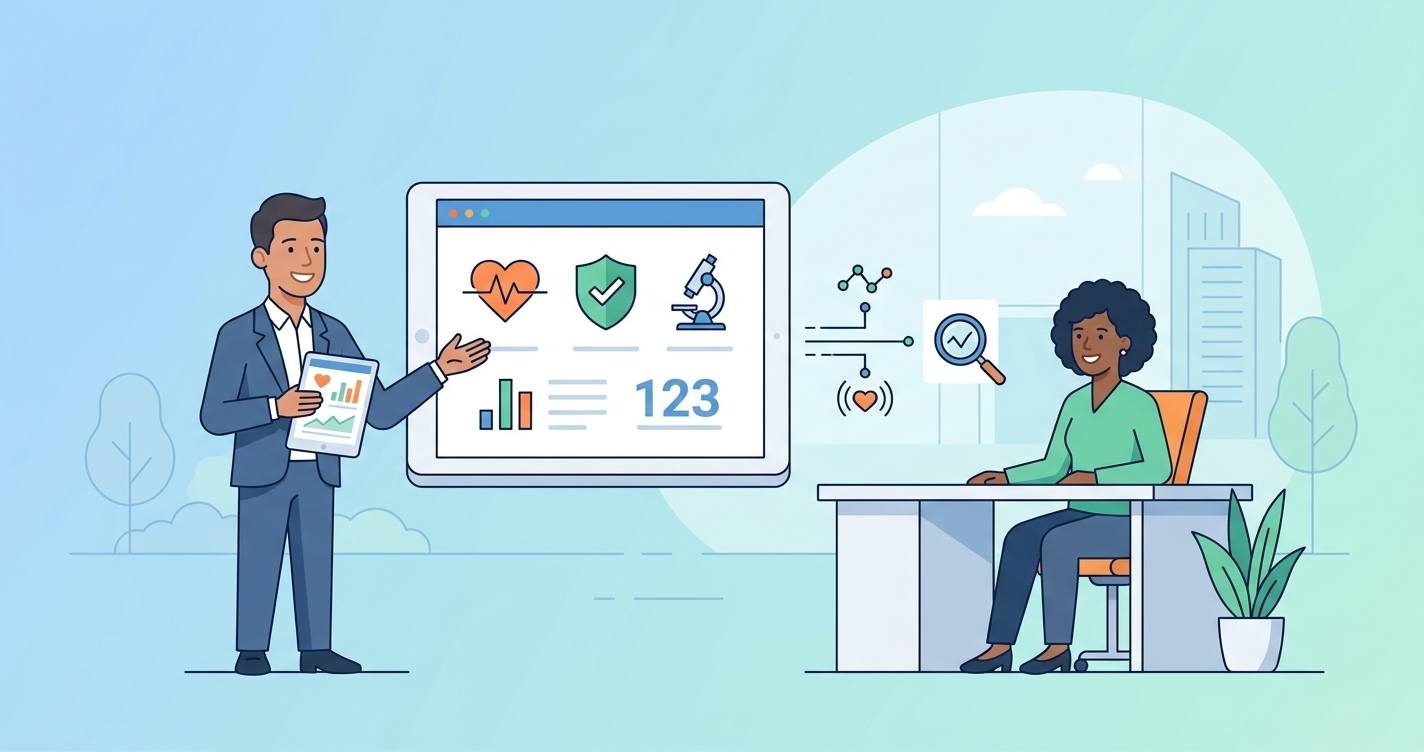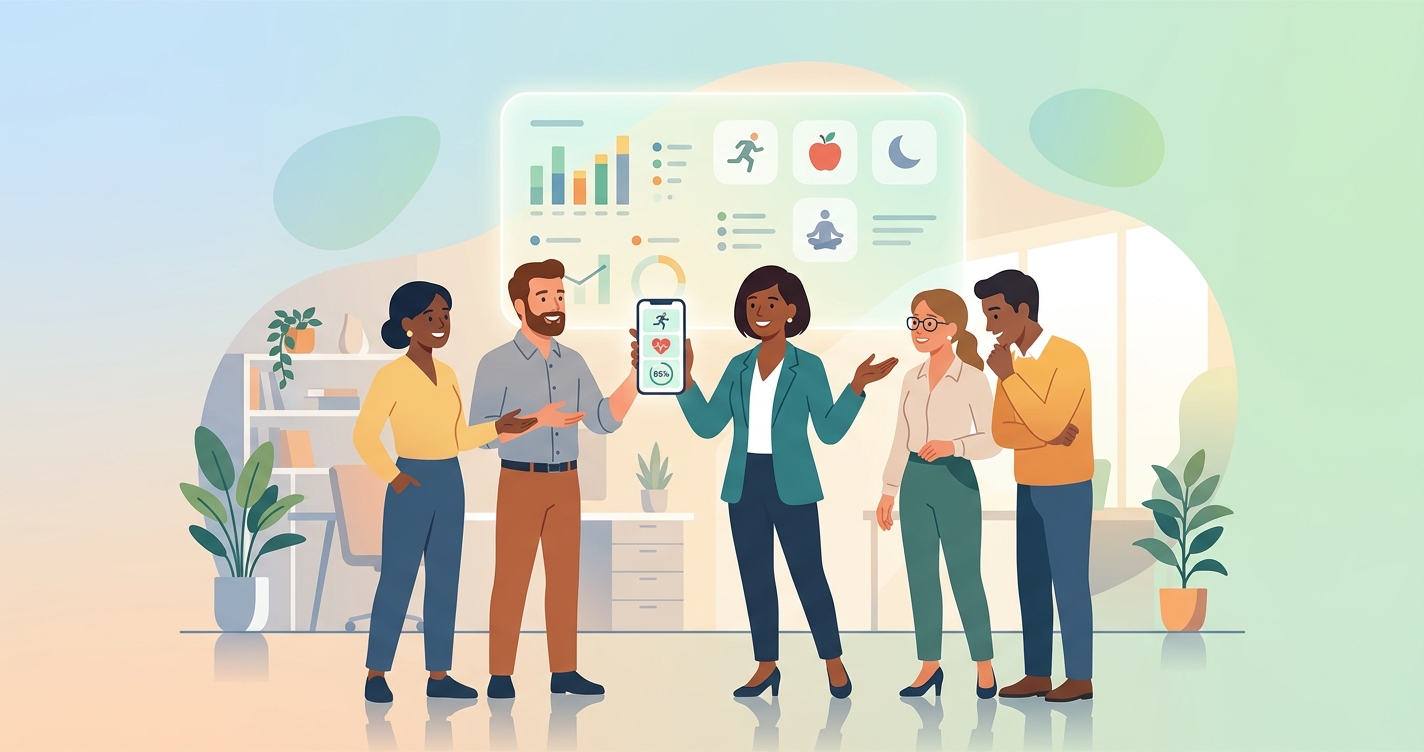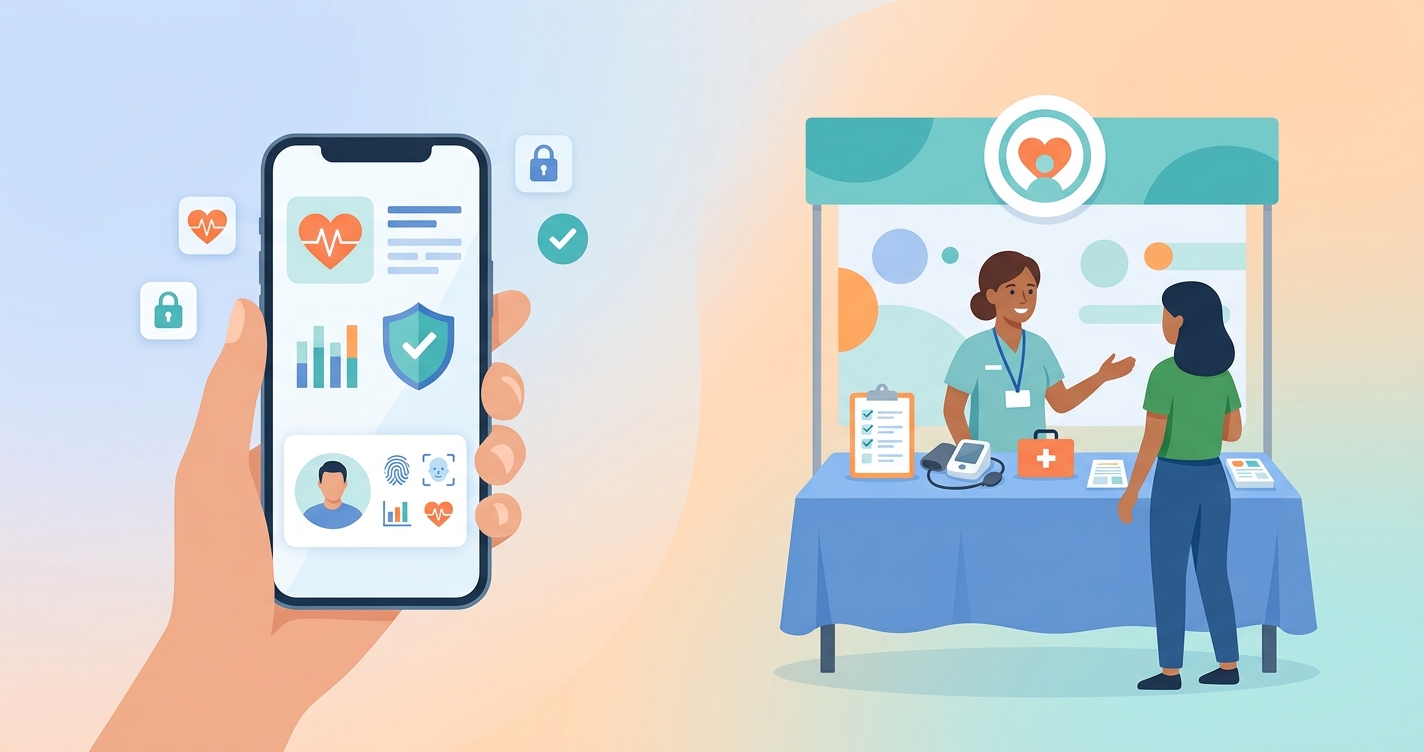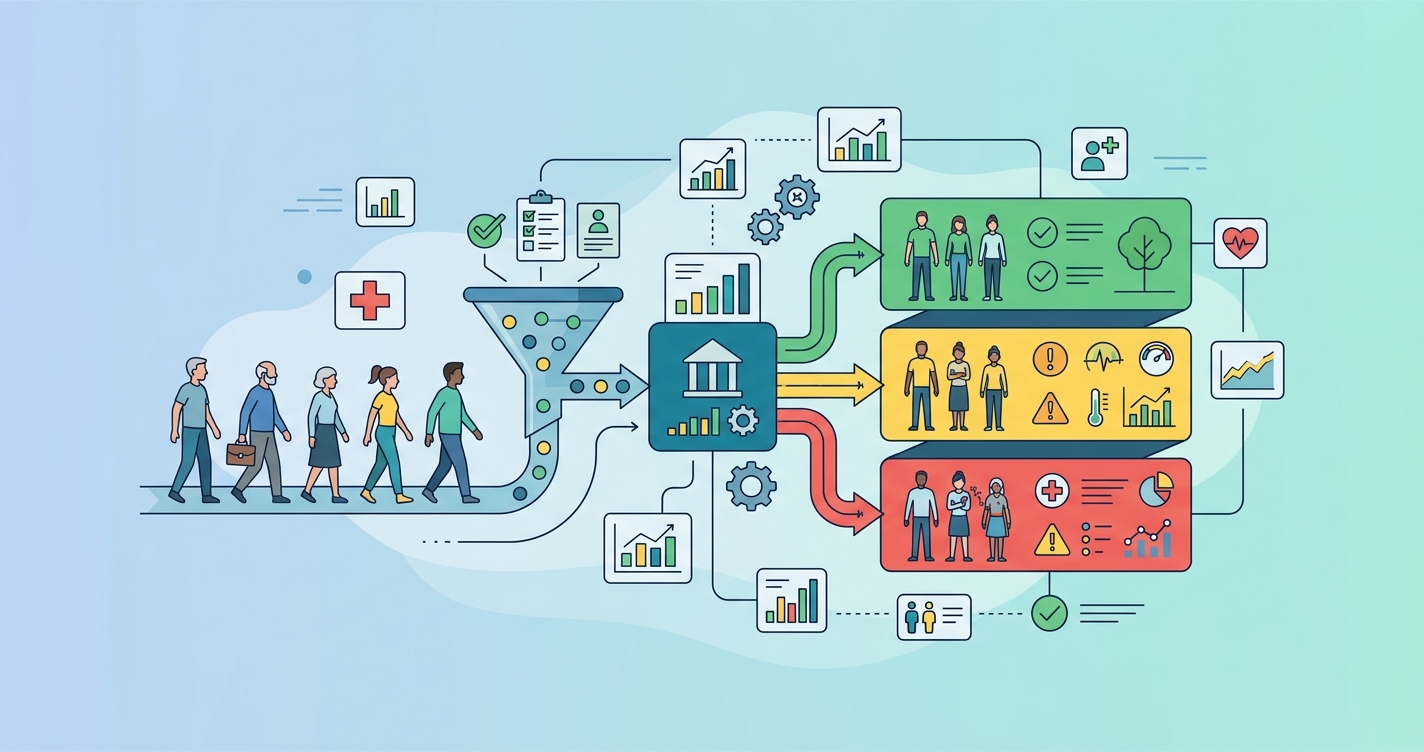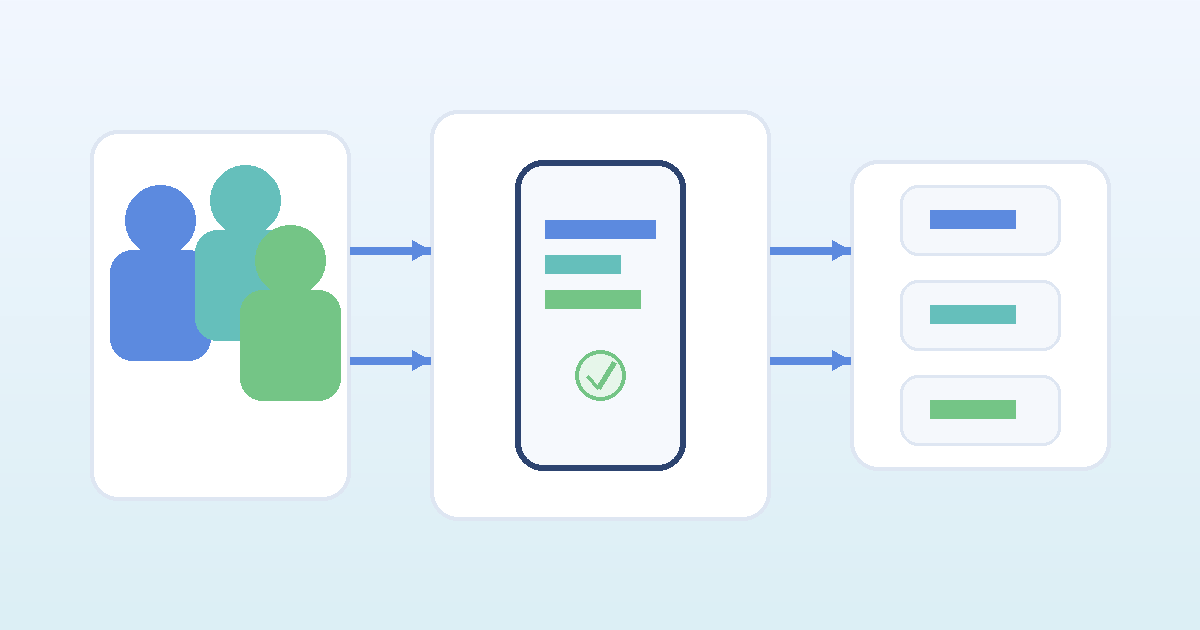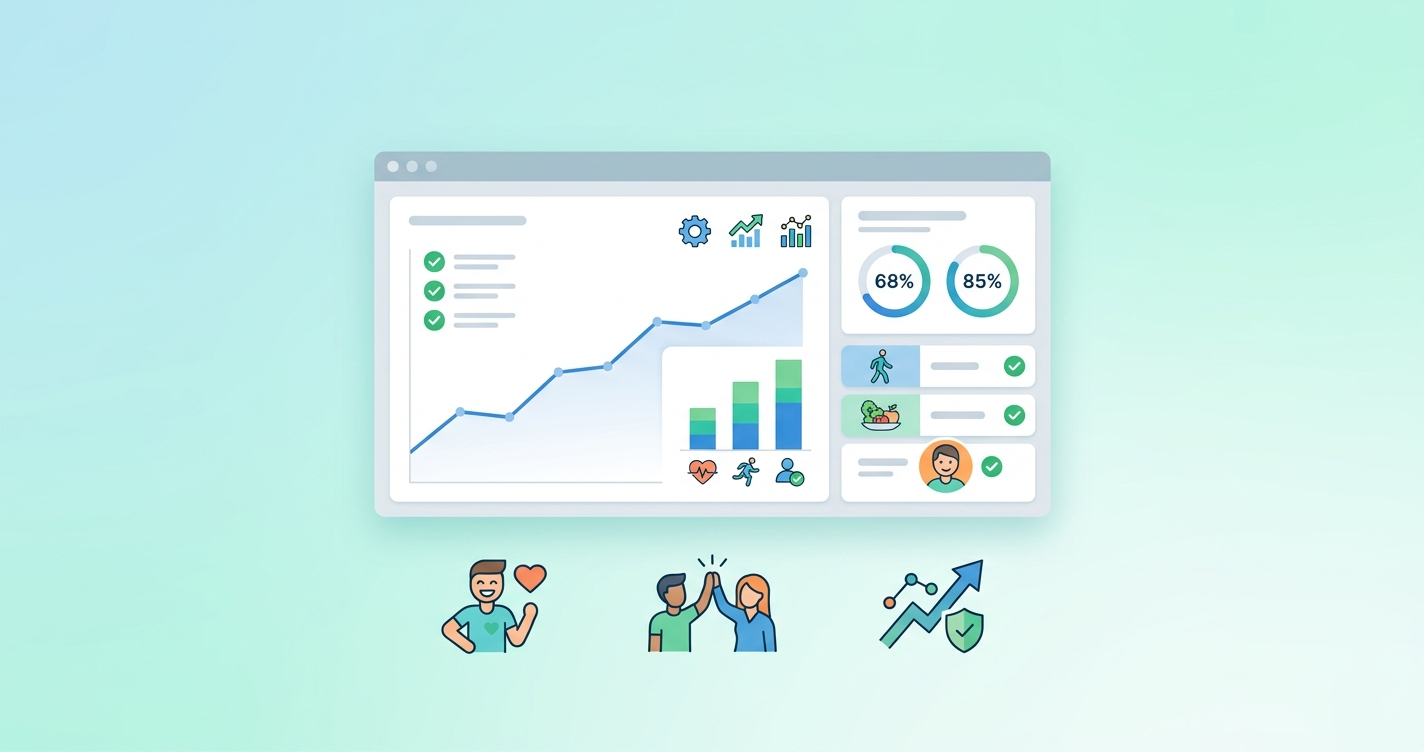

What Is a Digital Biometric Screening Platform, Exactly?
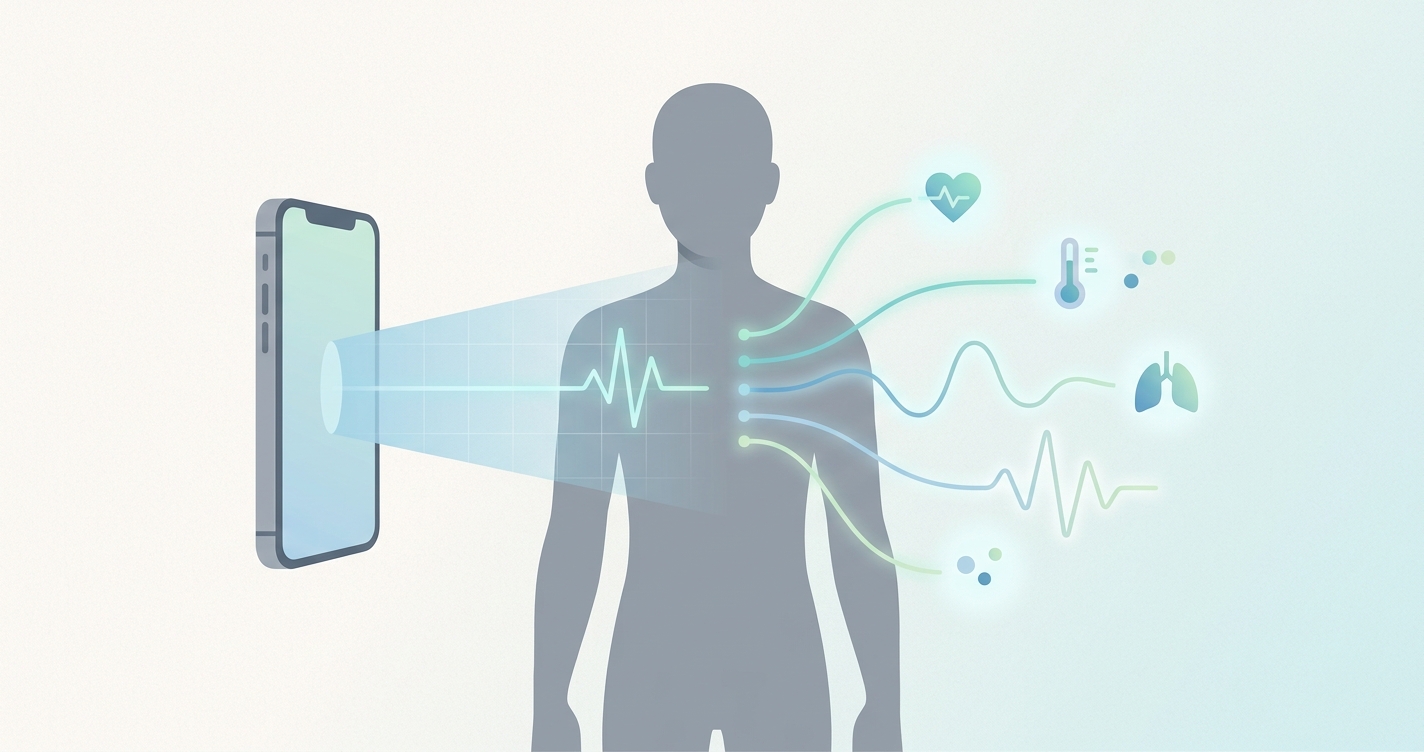
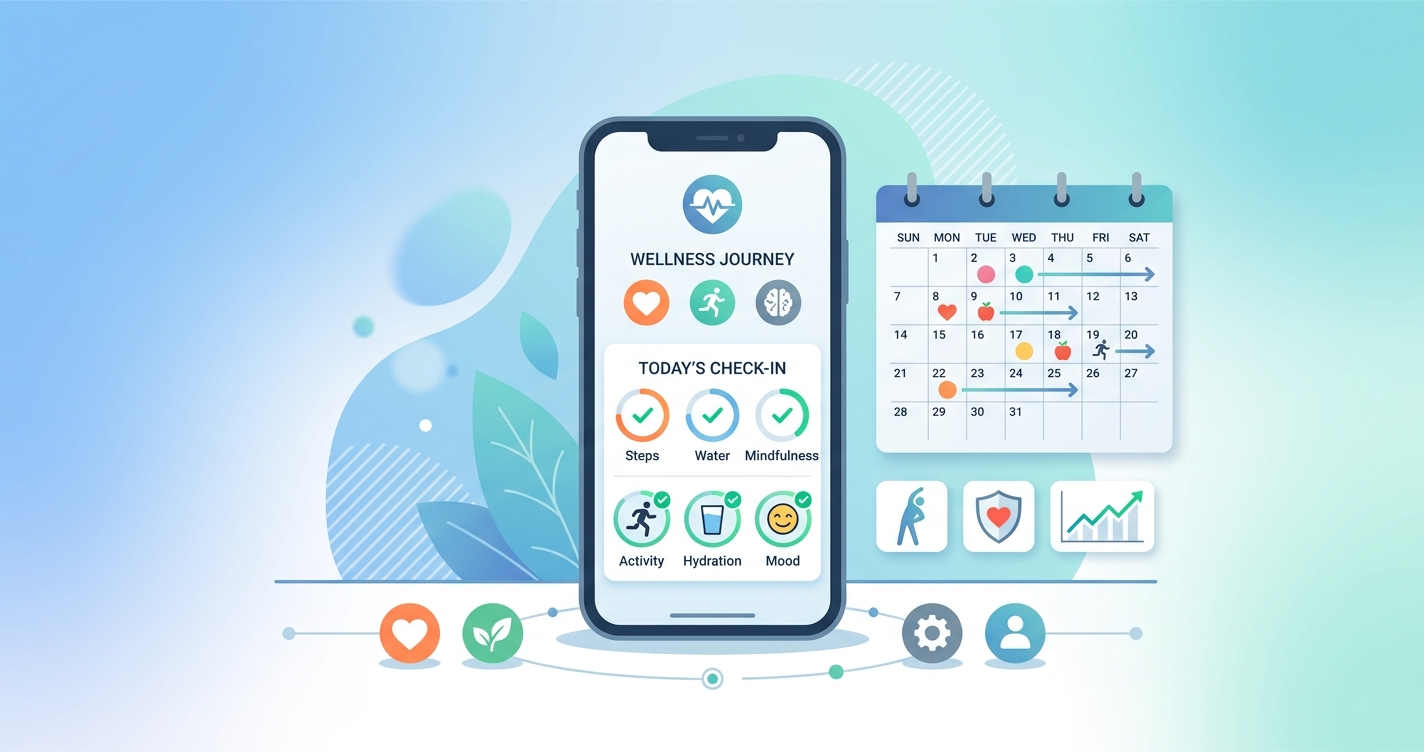
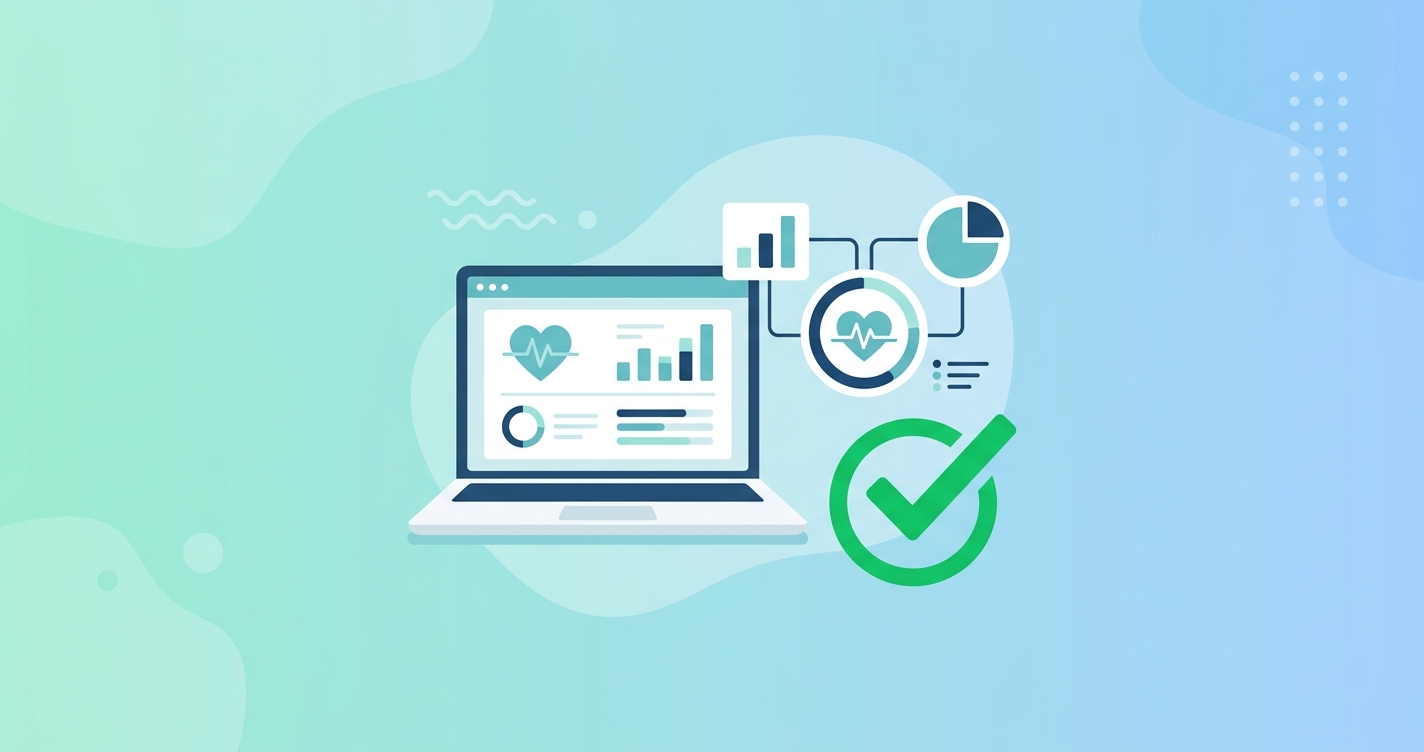
A plain-language explainer of how a digital biometric screening platform works end to end, from phone scan to results, for wellness directors and brokers.
Insights on health technology, vitals monitoring, and wellness from the GetCareScan team.

A plain-language explainer of how a digital biometric screening platform works end to end, from phone scan to results, for wellness directors and brokers.

Proven tactics to increase wellness program participation: smarter incentives, communication timing, and friction removal to push screening completion past benchmarks.

A research-grounded comparison of phone-based health screening vs lab bloodwork on accuracy, speed, employee experience, and cost for wellness programs.

A research-style breakdown of the 9 biometric screening metrics wellness programs track, what each measures, and why these employee health numbers matter.

A buyer-focused review of workplace wellness program tools for small business teams on lean budgets, with cost benchmarks, a comparison table, and selection criteria.

Red flags that your legacy health fair is underperforming, plus annual health fair alternatives that deliver better reach, data, and ROI for benefits teams.

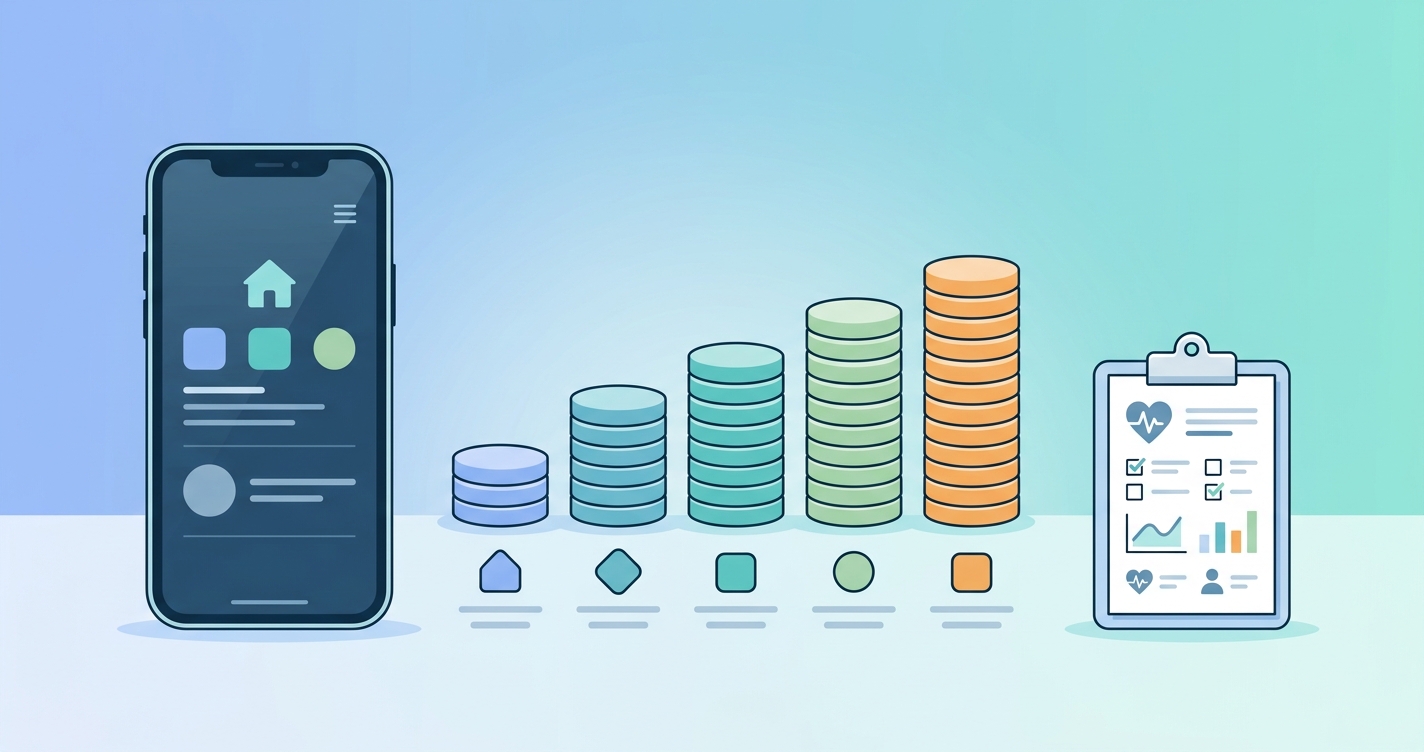
A 2026 breakdown of corporate biometric screening cost per employee, comparing onsite venipuncture events with digital screening so benefits teams can budget accurately.

A 2026 guide to matching employer health screening by company size to headcount, budget, and worksite spread for small, mid-size, and enterprise employers.

A comparison of biometric screening for hybrid workforce models that cover in-office and remote staff equally, with participation, cost, and equity tradeoffs.

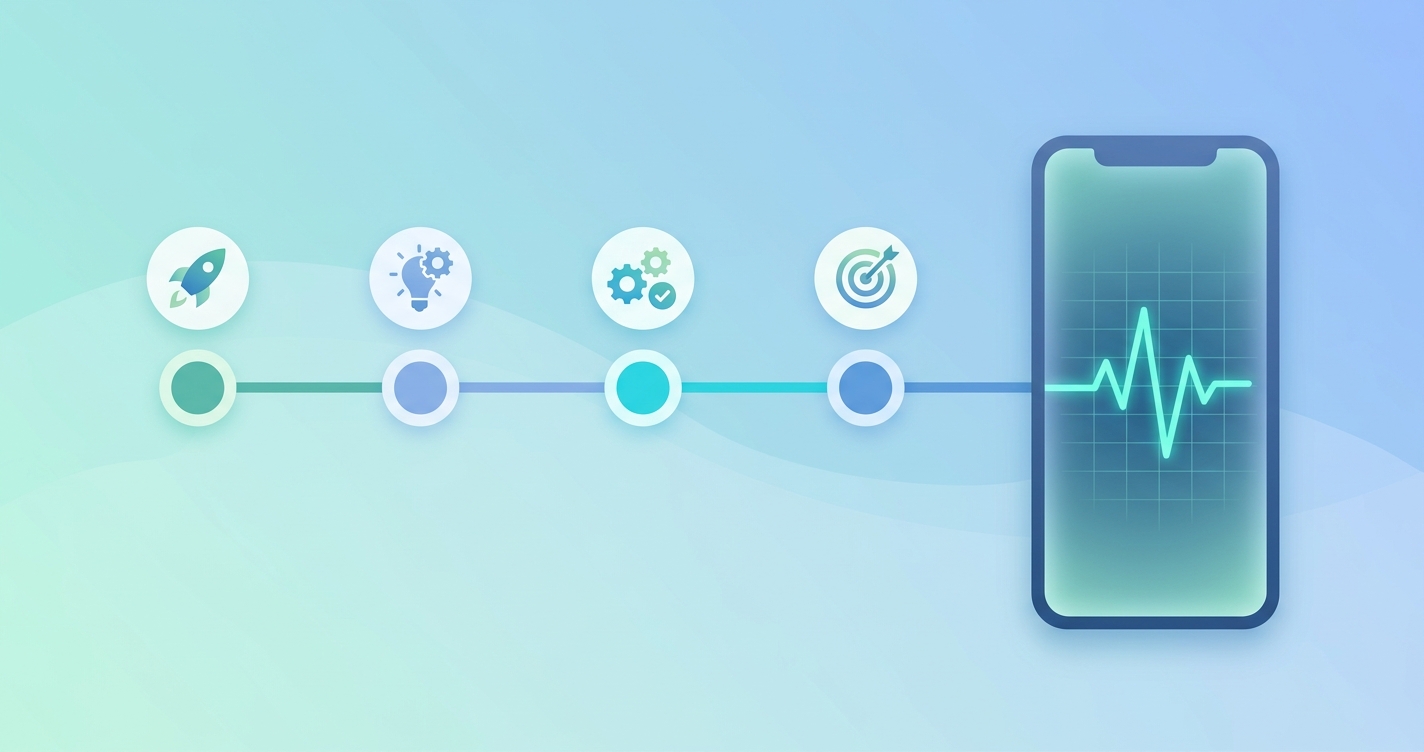
A start-to-finish launch timeline covering vendor selection, communication, and incentives for first-time corporate wellness directors building a screening program.

Compare biometric screening for hybrid workforce models that cover in-office and remote staff equally, with participation data and a buyer's framework for 2026.

A 90-day playbook for wellness directors to lift screening participation and sustain employee health engagement with proven strategies and benchmarks.

Low wellness program participation quietly drives up healthcare spending. See the hidden costs of poor screening turnout and what self-insured employers can do.

A head-to-head comparison of a digital biometric screening platform and onsite nurse events on cost, reach, and participation for benefits brokers.

A research view of employer health assessment technology: the vitals, biometrics, and risk indicators it captures and how results shape wellness program design.

A 2026 buyer's guide to corporate wellness biometric screening: how programs work, what to evaluate, pricing models, and where the market is heading.

A research-driven ranking of the workplace wellness program tools that power modern HR teams, and where digital health screening fits into the stack.

A research look at digital biometric screening privacy: how employee health data is protected by HIPAA, GINA, and state biometric laws, and what employers should verify.

Most chronic disease starts silently. Why corporate wellness biometric screening importance holds even for employees who feel perfectly healthy.

A research look at how quick smartphone scans and workplace wellness program tools surface health risks early, before they become costly chronic conditions.

Can employees move biometric numbers in 30 days? A look at the evidence behind rapid health gains and the employee health engagement activities that drive them.

A research look at mobile health screening accuracy: what phone-based heart checks can and cannot do, and what wellness directors should expect.

How workplace health program insights turn a concerning screening result into early action, and why benefits brokers should sell guidance, not just data.

How early detection through a yearly work health check protects employees from large medical bills and builds employer wellness program value through cost savings.

How a brief work health scan delivers digital health screening benefits and early detection insights employees can act on before any personal event.

Employee health assessment convenience now lets busy parents complete a company health check from home. A look at flexible screening options for benefits brokers.

How job stress shifts blood pressure, cortisol, and other workplace wellness check results, and why consistent monitoring gives wellness directors clearer data.

An employee guide to understanding workplace wellness screening numbers like blood pressure and heart rate, and why continuous data offers a clearer picture than a single test.

An explanation of wellness screening incentive requirements, the rules for reasonable alternatives, and why employers are focused on participation.

An abnormal biometric screening result doesn't mean a diagnosis. Learn about the next steps, your privacy rights under HIPAA, and why results are confidential.
Employee concern over wellness app data privacy is rising. Learn the difference between one-time consented capture and continuous tracking surveillance.

Learn who sees employee biometric screening results and how your personal health data is kept private from your employer through de-identified, aggregate reporting.

Learn how you can complete workplace biometric screening from home. Discover the technology that replaces clinic visits with a 30-second scan from your phone.

Confused about a face scan for benefits? Learn why employers use camera-based biometric screening for open enrollment to inform plan selection and incentive eligibility.

Learn how participatory vs. outcome-based wellness programs and ACA incentive caps affect your insurance costs, and whether you'll face a wellness screening premium surcharge.

An analysis of the laws and regulations, including ADA, GINA, and HIPAA, that govern employer-required biometric health screenings and wellness programs.

Explore the science behind 30-second wellness scans. Learn how this technology works, its accuracy, and what it means for company wellness programs.

Learn about your rights to opt out of employer health screening programs without losing your benefits under federal laws like the ADA and GINA.

An analysis of what happens to your vitals data after an employer wellness check, including the role of HIPAA and how data is stored, aggregated, and used.

Employers are shifting from traditional health fairs to phone-based health scans for reasons of cost, convenience, and better data. Learn why this trend is growing.

An analysis of the data privacy, security, and trust implications of camera-based corporate wellness programs for employees and employers.

Employees often wonder about their employer wellness data. We analyze what information companies see from wellness scans, how it's regulated, and what it means for privacy.

Can a company wellness phone check really tell if you're healthy? Here’s what the research says about accuracy, screening limits, privacy, and employer use.

Why employers use facial wellness screening, what data may be collected, and what employees should know about privacy, consent, and workplace wellness programs.

A practical look at ACA wellness program incentive limits compliance for 2027, including 30% and 50% caps, reasonable alternatives, and employer risk areas.

A research-driven look at how benefits brokers position digital health screening for employers, using current evidence on engagement, ROI, and program design.

A practical look at how employers build a culture of health with technology, using data, leadership routines, and low-friction employee engagement.

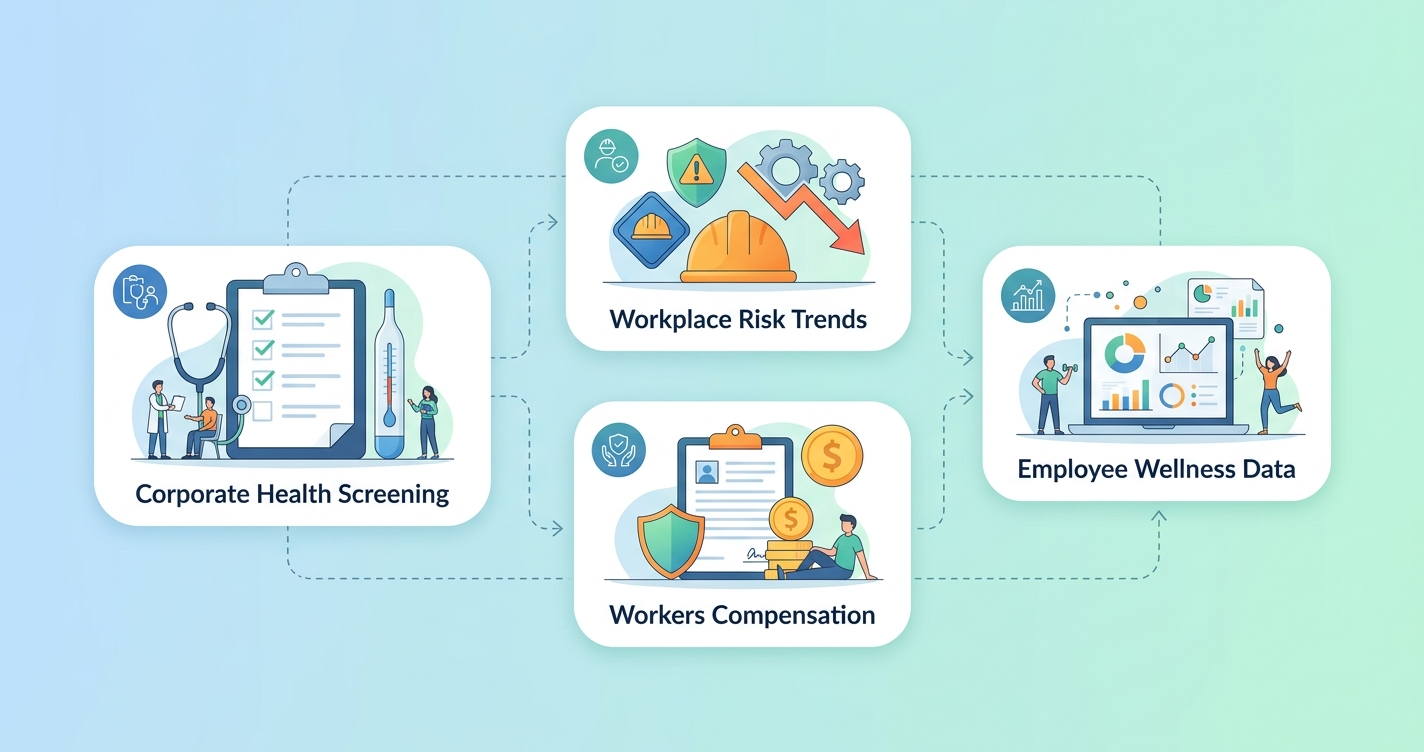
Corporate health screening and workers comp are more connected than many employers realize, especially when screening data is used to spot risk patterns early.

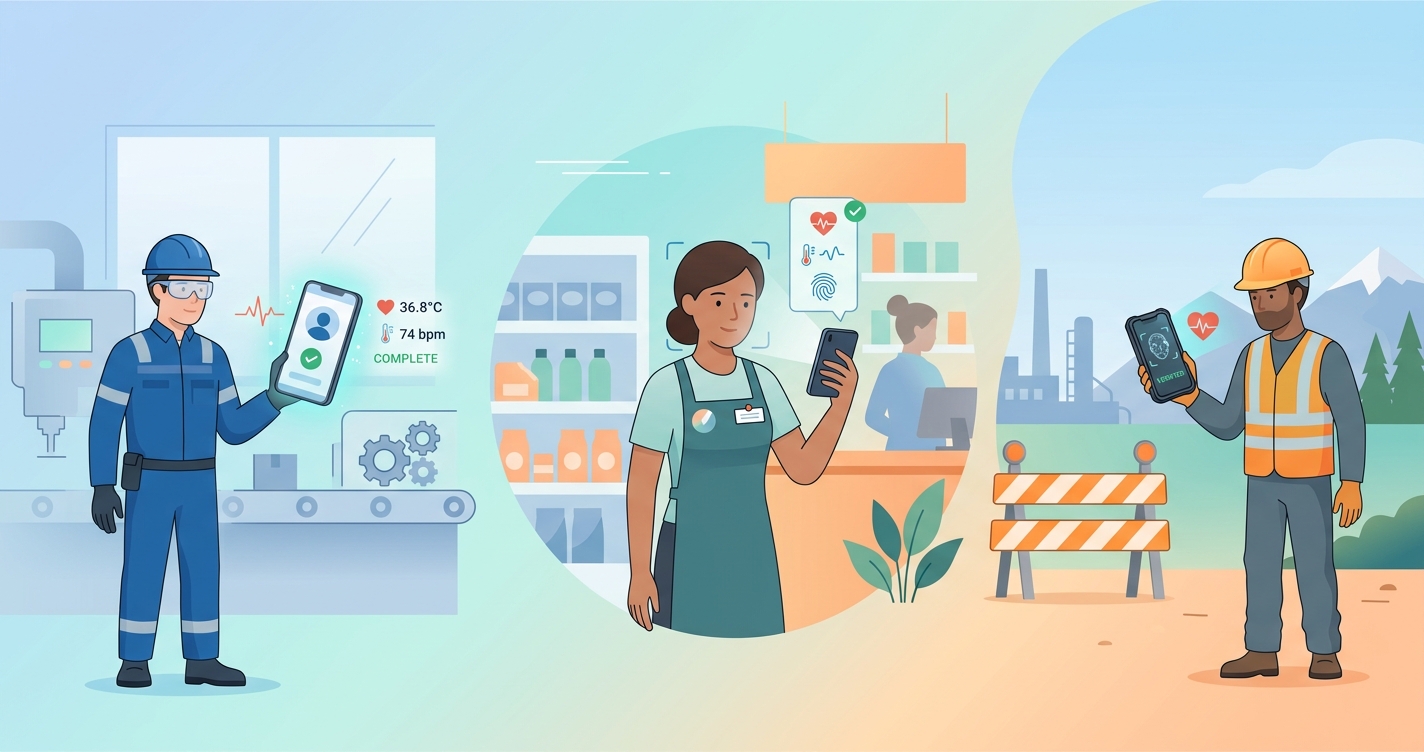
An evidence-based look at digital biometric screening for deskless workers, including access barriers, participation gaps, and what employers can do differently.

How small businesses can afford digital wellness programs by using lower-lift technology, targeted benefits design, and measurable screening workflows.

A research-backed look at how employers run biometric screening for a fully remote workforce, including operating models, participation design, compliance concerns, and vendor selection criteria.

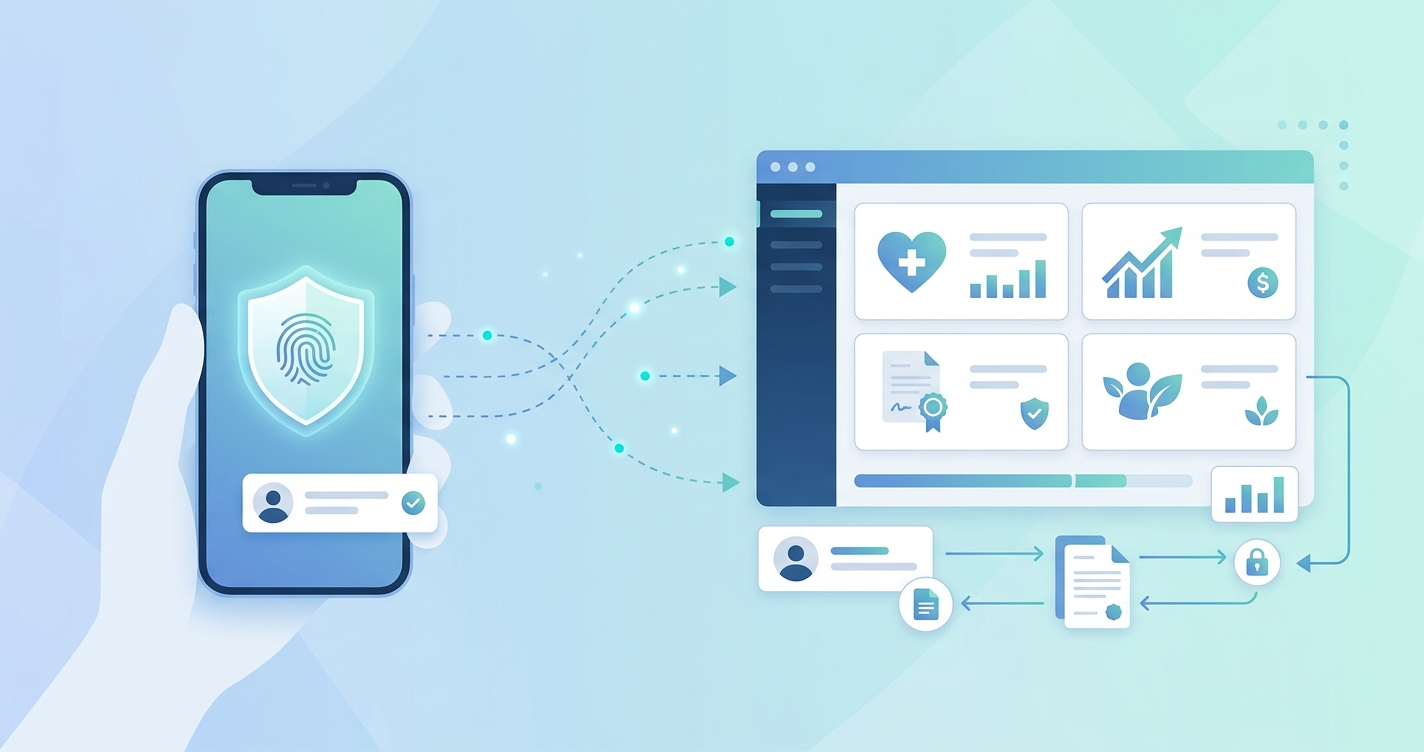
An analytical look at how to integrate digital biometric screening with your benefits administration platform, from data flow and eligibility logic to governance.

A 2027-ready cost comparison of phone-based biometric screening vs onsite health fairs, covering labor, participation, logistics, and data workflow tradeoffs.

An evidence-based look at how population health vendors use screening data to stratify risk, segment members, and prioritize outreach in employer populations.

A research-based analysis of how Taft-Hartley plans use digital wellness to engage union members across eligibility, incentives, screening access, and year-round outreach.

A research-based look at the wellness program metrics that actually predict claims reduction, from repeat screening rates to high-risk follow-up engagement.

Workplace wellness programs now play a measurable mental health role, from reducing burnout risk to improving flexibility, screening access, and employee trust.

What continuous health engagement means for employers, and why many teams are moving beyond annual screenings toward lower-friction, year-round touchpoints.

The HR guide to implementing digital health screening, with research on access, employee participation, program design, and vendor evaluation.

How multi-location employers standardize health screening across sites, with data on consistency, participation, vendor design, and digital screening models.

Benefits brokers are using digital wellness tools to stand out in a crowded market. Here's how the differentiation actually works and what the data says.

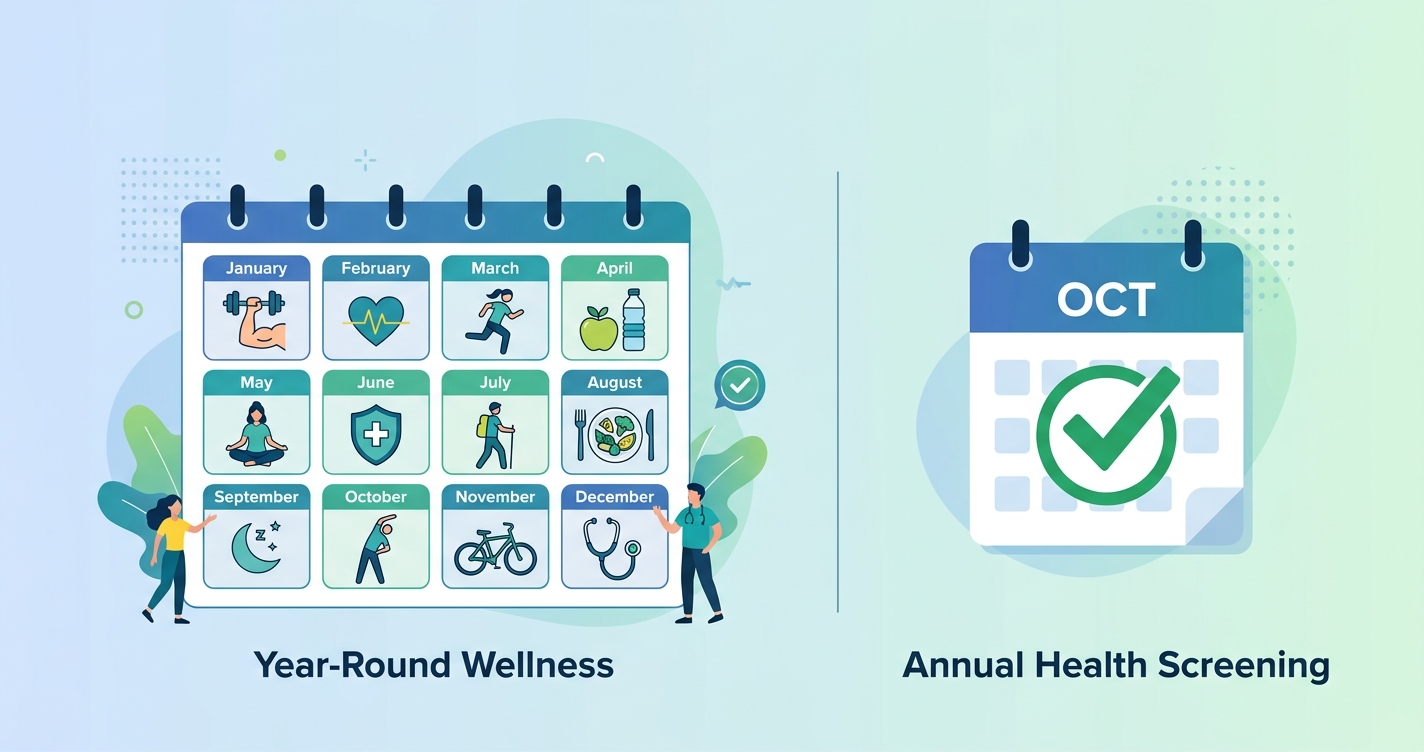
Comparing year-round wellness programs to annual biometric screening events, with data on participation, health outcomes, and cost impact for employers.

Analyzing which wellness program incentive structures drive real participation and health outcomes, with data on outcomes-based vs participation-based approaches.

Manufacturing workers are largely left out of corporate wellness programs. Digital wellness tools designed for deskless workers can close the gap — here's what's working.

Research-backed analysis of which employee health challenge formats actually drive participation, with data on incentive design, team structures, and digital delivery.

A data-driven look at how employers measure wellness program impact on healthcare spending, from claims analysis to biometric screening ROI frameworks.

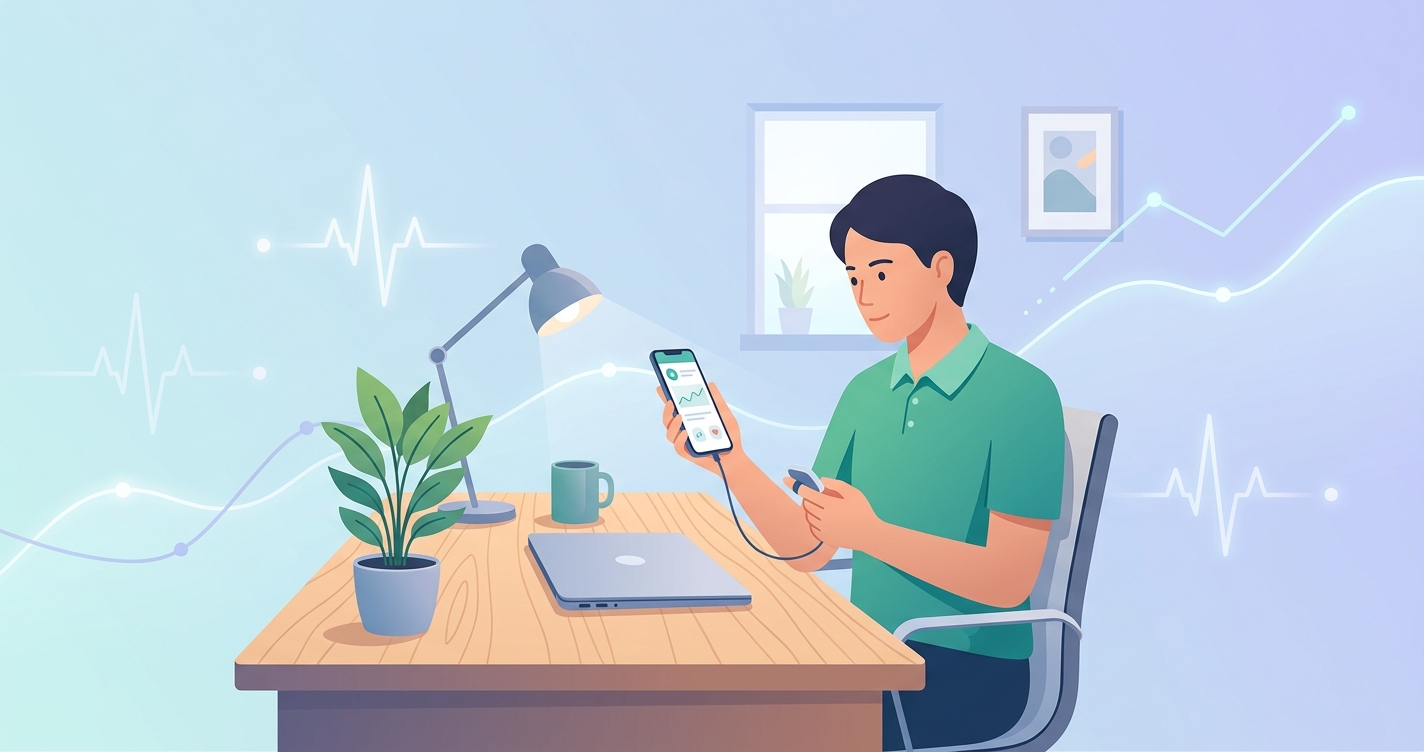
A research-backed framework for how to choose a corporate wellness technology platform, covering integration, biometrics, engagement data, and vendor evaluation.

Self-insured employers are leveraging wellness data and biometric screening analytics to cut healthcare spending. Here's what the claims data actually shows.

A research-backed analysis of how remote-first companies design and operate effective wellness programs, examining participation models, digital screening logistics, engagement strategies, and outcome data.

A research-backed analysis of how employers are replacing onsite biometric screening events with digital alternatives that improve participation, reduce cost, and remove logistical overhead.

An in-depth look at how digital biometric screening for open enrollment works, why it outperforms traditional models, and what wellness directors need to know about timing, integration, and outcomes.

A research-driven analysis of the mechanisms through which corporate wellness programs increase engagement, backed by studies on program design, incentive structures, digital delivery, and behavioral science.

A financial analysis of the CFO case for digital health screening ROI, examining cost structures, downstream savings, and the evidence behind employer biometric screening investments.

A data-driven examination of biometric screening ROI numbers and data from peer-reviewed research, employer benchmarks, and longitudinal studies — separating evidence-based findings from vendor marketing claims.