When should I worry about the numbers from my workplace wellness check?
An employee guide to understanding workplace wellness screening numbers like blood pressure and heart rate, and why continuous data offers a clearer picture than a single test.
The annual workplace wellness check often ends with an employee holding a printout of numbers, charts, and risk labels. For many, this moment is more confusing than clarifying. The results represent a single snapshot in time, a health status frozen on a Tuesday morning in a noisy conference room. This data is important, but its value is limited by the nature of the screening itself. Understanding which numbers matter, what they mean, and the limitations of a one-time test is the first step toward genuine health engagement. For employers and wellness leaders, appreciating these limitations is critical to designing programs that produce meaningful, long-term impact.
"As many as 15% to 30% of people with elevated blood pressure in a doctor's office may have 'white coat hypertension', a temporary rise in blood pressure triggered by the stress of a clinical setting." - American Heart Association
Understanding workplace wellness screening numbers
Most biometric screenings focus on a core set of cardiovascular and metabolic health indicators. While not a complete physical, they provide a baseline for key health risks. Interpreting these figures correctly is central to understanding workplace wellness screening numbers and taking appropriate action.
-
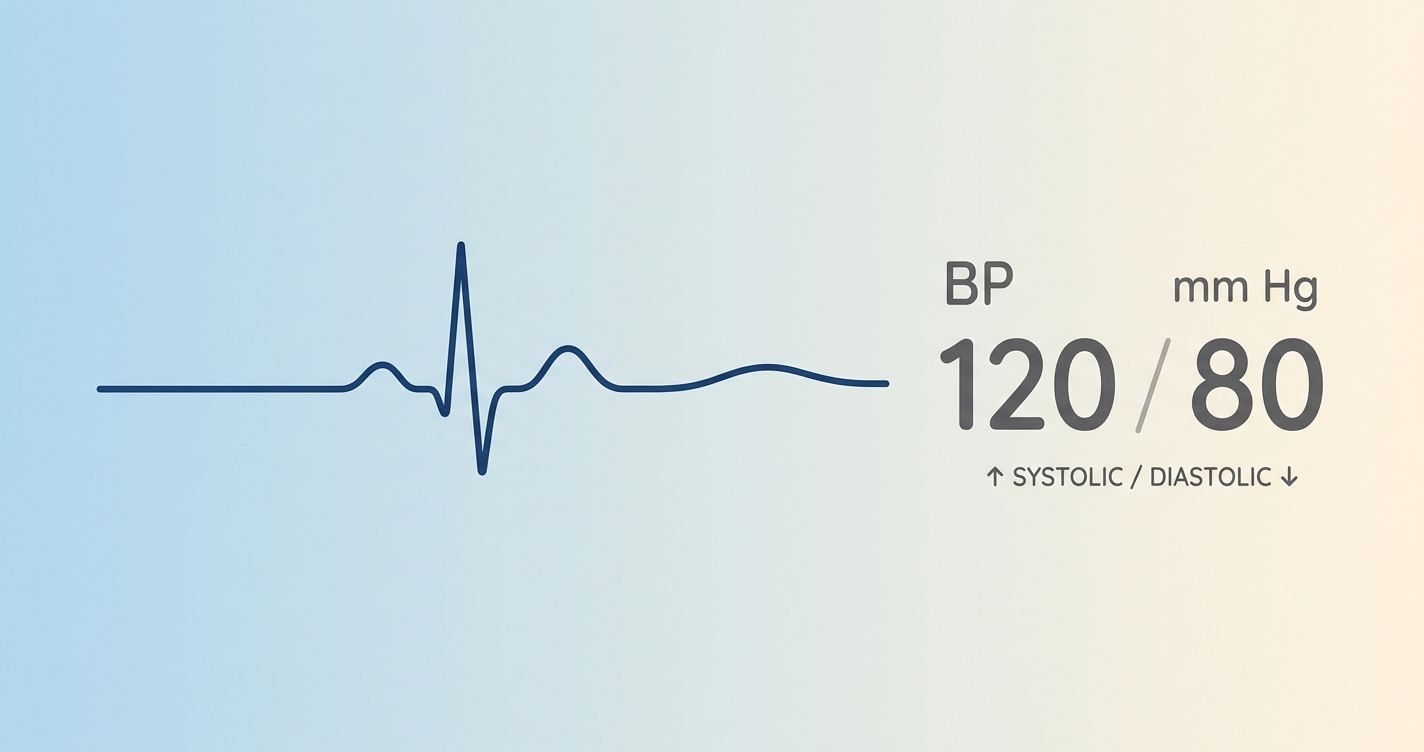
Blood Pressure: This measures the force of blood pushing against artery walls. A reading has two numbers: systolic (top number), pressure when the heart beats, and diastolic (bottom number), pressure when the heart rests. According to 2024 guidelines from the European Society of Cardiology (ESC), a normal reading is below 120/80 mmHg. Readings between 120-139 mmHg systolic or 70-89 mmHg diastolic are now classified as "elevated," warranting lifestyle intervention. Hypertension is diagnosed at levels above 140/90 mmHg.
-
Resting Heart Rate (RHR): This is the number of times your heart beats per minute while at rest. A normal RHR for adults is between 60 and 100 beats per minute (bpm), according to the British Heart Foundation. It's a general indicator of cardiovascular fitness, with more conditioned individuals often having a lower RHR.
-
Body Mass Index (BMI): A simple calculation using a person's height and weight (kg/m²), BMI is used to quickly categorize weight status. A BMI between 18.5 and 24.9 is considered the healthy range. However, it is a crude metric that does not distinguish between fat and muscle mass.
-
Cholesterol Panel (Lipids): This blood test measures total cholesterol, LDL ("bad") cholesterol, HDL ("good") cholesterol, and triglycerides. According to Johns Hopkins Medicine, optimal LDL for a healthy person is under 100 mg/dL. Higher levels contribute to plaque buildup in arteries, increasing heart disease risk.
These point-in-time measurements provide a starting point, but they lack the context of daily life.
| Feature | One-Time Annual Screening | Continuous Digital Monitoring |
|---|---|---|
| Accuracy | Susceptible to "white coat syndrome" and daily fluctuations. | Provides a baseline average from multiple readings over time. |
| Context | A single, isolated data point without trend information. | Reveals trends, patterns, and responses to lifestyle changes. |
| Timeliness | Identifies issues only once a year, potentially delaying intervention. | Enables early detection of negative trends between doctor visits. |
| Employee Engagement | A passive, once-yearly event with low engagement. | Fosters active, ongoing participation in personal health. |
| Data Utility | Offers a limited, static view for population health analysis. | Delivers dynamic, high-frequency data for risk stratification. |
The problem with a single snapshot
The primary issue with relying solely on an annual screening is its vulnerability to temporary factors. As research from the Cleveland Clinic and others has shown, the clinical or quasi-clinical setting of a workplace screening can itself alter the results. This phenomenon, known as "white coat hypertension," can result in a blood pressure reading that is significantly higher than the individual's typical average. A one-time screening cannot distinguish between chronic high blood pressure and a momentary stress response.
This leads to two potential errors. An individual may be flagged as high-risk and experience unnecessary anxiety, or they may be prescribed medication they do not need. Conversely, a person with fluctuating blood pressure might record a normal reading on screening day, leading to false reassurance and a missed opportunity for early intervention. The American Heart Association explicitly recommends out-of-office measurements to confirm a hypertension diagnosis and gain a more accurate picture of an individual's cardiovascular risk. Without this broader context, understanding workplace wellness screening numbers becomes a guessing game.
Industry applications for wellness leaders
For corporate wellness directors and benefits consultants, moving beyond the annual screening event is a strategic imperative. The goal is to build programs that reflect a more accurate and continuous view of employee health.
From annual events to daily engagement
The paradigm is shifting from a once-a-year "check the box" activity to a model of continuous engagement. Instead of bringing in a vendor for a massive, on-site event, companies can deploy technology that allows employees to monitor key metrics from their own devices, on their own time. This approach respects employee autonomy and provides a steady stream of data that is far more representative of their true health status. It transforms health screening from a passive event into an active, ongoing personal habit.
Stratifying risk with higher-frequency data
High-frequency data allows for more sophisticated population health management. A single screening provides a flat, one-dimensional list of at-risk employees. Continuous data, however, reveals trends. Wellness leaders can identify individuals whose metrics are consistently trending in the wrong direction and offer proactive, targeted support. This allows for smarter allocation of resources, moving from generic wellness campaigns to personalized interventions aimed at those who need them most.
Current research and evidence
The medical community is increasingly aligned on the limitations of isolated clinical measurements. The forthcoming 2026 guidelines from the American College of Cardiology and American Heart Association are expected to further emphasize personalized risk estimation and the importance of early, frequent screening.
A study published in Hypertension by researchers like Dr. Paul Muntner (2019) has repeatedly highlighted how out-of-office blood pressure monitoring is essential for accurately diagnosing and managing hypertension. This body of research confirms that single-day, in-office (or in-office-like) screenings are insufficient for making sound clinical judgments. The evidence points toward a future where health assessment is not an event, but an ongoing process powered by accessible technology.
The future of workplace health assessment
The future of workplace health assessment lies in platforms that integrate seamlessly into an employee's life. Technology that uses the smartphones already in employees' pockets can provide regular, medically relevant insights without the cost and logistical friction of traditional screening models. This approach generates a more accurate and actionable understanding of workplace wellness screening numbers, both for the individual and for the employer's population health strategy. It shifts the focus from a single, high-stakes number to a dynamic, evolving picture of personal well-being, building a culture where employees are empowered to manage their health proactively.
Frequently asked questions
-
What is "white coat syndrome" and does it affect my screening results? "White coat syndrome," or white coat hypertension, is a temporary increase in blood pressure that occurs due to the stress or anxiety of being in a clinical setting. Research shows it can affect up to 30% of people with high office readings, meaning your numbers from a single workplace check may be higher than your actual average.
-
How often should I check my key health numbers? For blood pressure, the American Heart Association recommends regular home monitoring if you have been diagnosed with or are at risk for hypertension. For others, taking measurements more frequently than once a year provides a more accurate picture of your cardiovascular health, especially if you are making lifestyle changes.
-
Are the numbers from my wellness screening the only thing that matters? No. These numbers are important indicators, but they are not the complete picture of your health. They do not account for lifestyle factors like diet, exercise, stress, sleep, and mental health, all of which are crucial components of your overall well-being. Use the screening numbers as a catalyst for a broader conversation with your healthcare provider.
A single set of numbers from an annual check provides a limited, and potentially misleading, view of your health. A more complete and accurate understanding comes from tracking these metrics over time in your everyday environment. Circadify is at the forefront of this shift, providing enterprise health solutions that move beyond the annual event to enable continuous, software-based health engagement. To learn how this technology is transforming corporate wellness for health systems and large employers, explore our solutions at circadify.com/industries/health-systems.