Digital Biometric Screening Platform: 2026 Vendor Checklist
A comprehensive 2026 vendor evaluation checklist for corporate wellness directors selecting a digital biometric screening platform for distributed workforces.
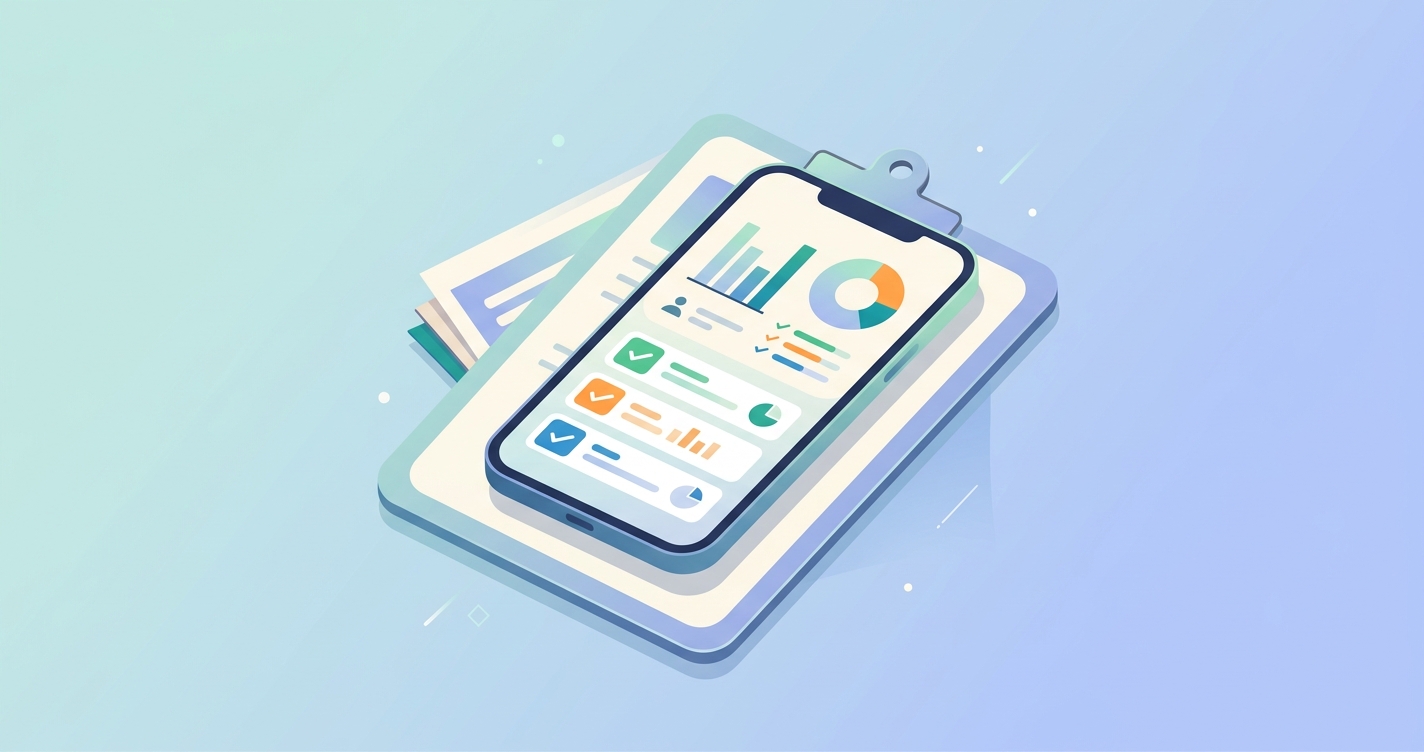
For corporate wellness directors and benefits brokers, the annual vendor evaluation cycle has shifted from negotiating hourly nursing rates to auditing software architecture. The logistical burden of traditional onsite health fairs - booking conference rooms, managing phlebotomy schedules, and chasing down paper lab results - is no longer sustainable for hybrid and distributed workforces. As employers scrutinize benefits budgets heading into 2026, the adoption of a digital biometric screening platform has become a central requirement. Wellness programs that once relied on singular, expensive physical events are migrating to technology-driven solutions that allow employees to complete health assessments entirely from their smartphones.
"The corporate wellness market is projected to reach $85 billion by 2030, driven heavily by a transition from episodic, localized screening events to scalable digital health platforms that capture robust employee data."
- Ken Research, Global Corporate Wellness Market Report (2024)
Defining the digital biometric screening platform
The definition of workplace health assessments has completely transformed. Five years ago, a vendor was considered "digital" if they offered an online portal where employees could manually upload a PDF of their lab results. Today, a true digital biometric screening platform operates seamlessly on a user's smartphone, extracting data without requiring a clinic visit or a physical fingerstick at the office.
This evolution is driven by necessity. Corporate benefits teams are operating with leaner staffs and tighter budgets. The traditional model required massive internal coordination, extensive internal marketing, and inevitable friction when remote employees felt excluded from headquarters-centric perks. Modern platforms establish a new baseline by placing the assessment tool directly into the employee's hands, standardizing the wellness benefit across the entire organizational chart regardless of geographic location.
Core vendor evaluation criteria
When selecting a digital biometric screening platform for 2026, benefits consultants and wellness directors must look beyond surface-level features to evaluate technical infrastructure, user experience, and data security. The following comparison highlights the stark differences between legacy methods and modern technology.
| Evaluation Criteria | Legacy Screening Vendors | Modern Digital Screening Platforms |
|---|---|---|
| Delivery Model | Onsite nurses and physical clinics | Smartphone-based health assessments |
| Workforce Reach | Limited to headquarters and major hubs | 100% accessible to remote and deskless workers |
| Administrative Burden | High (scheduling, physical setup) | Low (automated email and SMS rollouts) |
| Data Availability | Delayed by weeks for lab processing | Instant, real-time reporting dashboards |
| Employee Friction | Requires fasting and schedule disruption | Completed in minutes from any location |
The 2026 vendor checklist
To ensure a successful rollout and high employee adoption rates, procurement teams should use the following checklist when issuing Requests for Proposals (RFPs) for health assessment vendors:
- Mobile-first accessibility: The system must not require specialized external hardware. Employees should be able to initiate and complete the process using the standard smartphone devices they already own and operate.
- Strict data partitioning: Vendors must demonstrate robust privacy architecture. The employer must never receive individual, identifiable health metrics. The platform should only return aggregated, anonymized population health profiles.
- Zero-friction onboarding: The tool should minimize the number of steps required to begin an assessment. Solutions requiring long questionnaire forms prior to the actual screening often suffer from high drop-off rates.
- Incentive integration capabilities: The technology must integrate smoothly with existing Human Resources Information Systems (HRIS) or benefits administration platforms to automatically trigger premium discounts, HSA contributions, or PTO rewards upon completion.
- Compliance and security standards: The vendor must hold current SOC 2 Type II certification and maintain strict adherence to HIPAA guidelines regarding the transmission and storage of protected health information.
- Immediate feedback loops: The system should provide users with their results instantly, paired with contextual education, rather than leaving them waiting weeks for a mailed physical report.
- Scalable deployment architecture: The solution must be capable of handling thousands of concurrent users during the peak open enrollment season without crashing or experiencing latency issues.
- Actionable population insights: Beyond simply delivering raw numbers, the platform should synthesize the data into actionable insights, helping HR leaders understand whether they need to invest more in cardiovascular health initiatives or stress management programs for the upcoming fiscal year.
Industry Applications
Distributed and remote workforces
For companies that have permanently adopted remote or hybrid operational models, bringing employees to a central location for a health screening is mathematically and logistically impossible. A digital biometric screening platform equalizes the benefits package. An engineer working from a home office in another state receives the exact same health assessment experience as an executive working at the corporate headquarters.
High-turnover and shift-based sectors
Retail, manufacturing, and logistics sectors operate on strict shift schedules where pulling an employee off the floor for thirty minutes disrupts production and customer service. Traditional wellness vendors struggle in these environments. By utilizing a mobile approach, workers can complete their assessments during standard breaks or from home before their shifts begin. This eliminates the operational downtime associated with onsite clinical events.
Global workforce consistency
Multinational corporations face a unique challenge when attempting to provide equitable health benefits across borders. Arranging an onsite health clinic in Chicago is vastly different from coordinating the same standard of care for a satellite office in London or a remote team in Tokyo. A digital biometric screening platform solves this disparity by offering a unified application. By standardizing the assessment software, global benefits directors can finally aggregate international population health data into a single, cohesive dashboard, ensuring all employees receive the exact same quality of wellness support regardless of their geographic location.
Traditional corporate environments
Even in standard office settings where onsite events are theoretically feasible, the digital approach offers significant cost reductions. Benefits teams no longer need to pay the premium required to deploy traveling nurses, secure biohazard disposal, and manage physical infrastructure. Those funds can be reallocated directly into the incentive budget to drive higher participation rates.
Current research and evidence
The academic and clinical research surrounding workplace wellness technology indicates a strong preference for digital delivery methods. In a comprehensive 2024 meta-review published in the Journal of Medical Internet Research, researchers Saeed Amirabdolahian, Guy Pare, and Stefan Tams analyzed the efficacy of digital wellness programs in occupational settings. Their findings confirmed that technology-driven interventions effectively address key health domains, provided they maintain high levels of user acceptability and seamless engagement mechanics.
Furthermore, industry data from Shortlister's 2024 Workplace Wellness Trends Report indicates that while approximately 42 percent of large employers continue to offer biometric screenings, there is a definitive market shift toward technology-driven population health analytics rather than localized physical checks.
The participation data is particularly revealing. Research consistently shows that unincentivized legacy health fairs often yield participation rates hovering around 20 percent. However, when employers combine a highly accessible, smartphone-based digital biometric screening platform with appropriate financial incentives, participation can scale dramatically toward 90 percent. By removing the primary barriers - time, location, and physical discomfort - digital platforms create a path to nearly universal workforce engagement. The economic impact of this engagement cannot be overstated. When participation is limited to the employees who are already proactive about their health, the wellness program fails to reach the at-risk populations that drive the majority of corporate healthcare claims.
The future of the digital biometric screening platform
As we look beyond 2026, the corporate wellness industry will completely abandon paper-based tracking and centralized health fairs. The future of the digital biometric screening platform lies in continuous, frictionless engagement.
Employers will demand platforms that Assess current baseline metrics. Provide predictive models regarding population health risks. The focus will shift from simply checking a compliance box for the annual benefits renewal to utilizing real-time, aggregated data to design targeted wellness interventions. Privacy will remain the most critical feature, with next-generation platforms utilizing advanced encryption to ensure employees feel completely secure when using company-sponsored health technology on their personal devices.
Additionally, we will see tighter integrations between the digital biometric screening platform and broader digital therapeutics. Once a health assessment identifies an aggregate trend - such as elevated stress or irregular sleep patterns across a specific department - the platform will seamlessly direct the benefits team toward corresponding interventions. The procurement process will evolve from evaluating standalone assessment tools to seeking comprehensive health intelligence ecosystems. Vendors that cannot offer seamless data interoperability and an entirely frictionless user experience will simply be phased out of the market.
Frequently asked questions
What defines a modern digital biometric screening platform?
A modern platform replaces traditional onsite blood draws and physical measurements with smartphone-based assessments. This allows employees to complete health checks remotely on their own schedule, while providing employers with aggregated, real-time population data without the need for clinical logistics.
How do digital screening platforms protect employee privacy?
Reputable vendors employ strict data partitioning and encryption protocols, backed by SOC 2 compliance and strict adherence to HIPAA standards. The employer only receives anonymized, aggregate data to assess overall workforce risk, while individual results remain strictly confidential between the employee and the software platform.
Are digital health assessments accessible for non-technical employees?
Leading platforms are designed with user experience as the primary focus, utilizing intuitive interfaces that require no specialized training. If an employee can operate a standard smartphone application, they can successfully complete a digital health screening.
What is the expected ROI when switching to a digital platform?
Return on investment is realized through multiple channels: the absolute elimination of onsite vendor fees, a massive reduction in administrative hours spent coordinating physical events, and significantly higher employee participation rates. Increased participation leads to earlier identification of potential health risks across a broader segment of the population, which can ultimately lower long-term corporate healthcare claims.
Modernizing your wellness program
Enterprise organizations require a digital biometric screening platform that removes the friction of physical events while maintaining robust population health analytics. Circadify is actively addressing this space by developing technology that allows employees to complete health checks directly from their smartphones, eliminating the need for expensive onsite vendors and cumbersome administrative logistics. For corporate wellness directors and benefits brokers evaluating the next generation of screening tools, scheduling an Enterprise wellness demo is the first step toward modernizing the benefit offering and maximizing workforce engagement.