Annual Data vs. On-Demand Insights: A Wellness Tech Comparison
A strategic comparison of static, annual biometric screening data against dynamic, on-demand insights for modern employer population health management.
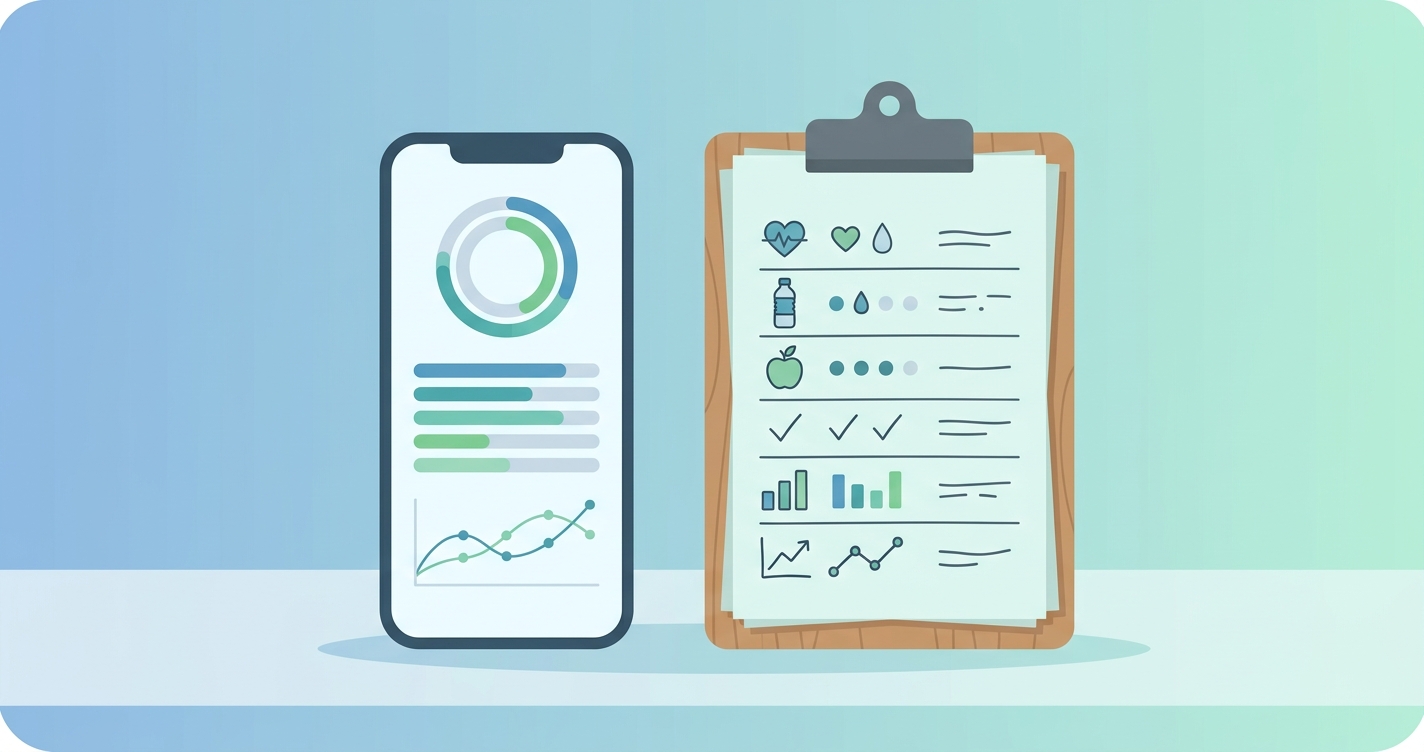
Corporate wellness directors and benefits brokers have long relied on a familiar rhythm to gauge population health: the annual biometric screening. For decades, this yearly ritual provided the foundation for wellness programming, offering a snapshot of employee risk factors like blood pressure, cholesterol, and glucose levels. However, as the workforce becomes increasingly distributed, relying on a single data point from a single day is proving inadequate. The limitations of static data are driving a strategic shift toward on-demand insights. Benefits consultants are now evaluating modern employer health assessment technology to secure the continuous visibility required for effective population health management. The transition from episodic evaluations to dynamic digital platforms represents a fundamental change in how organizations measure and respond to the wellbeing of their workforce.
"The global connected health and wellness solutions market was valued at $54.2 billion in 2023 and is projected to grow to $195.3 billion by 2030, reflecting a definitive shift away from episodic evaluations toward continuous, population-level health monitoring." - Grand View Research, 2024
The limitations of annual snapshots in employer health assessment technology
The traditional annual screening event presents clear logistical and strategic constraints. Organizing an onsite health fair involves contracting third-party vendors, securing physical spaces, scheduling nursing staff, and attempting to route employees through testing stations without disrupting daily operations. The result is a static dataset that reflects a single moment in time, often skewed by the stress of the workday or the inconvenience of fasting requirements.
If an employee participates in an annual screening in October, the vendor typically takes 60 to 90 days to process the results and deliver an aggregate report to the employer. By the time that data informs a wellness initiative launched in January or February, the underlying health realities of the employee population may have already shifted. This lag between data collection and intervention severely limits the strategic value of the information.
Furthermore, traditional events struggle to capture participation from remote workers, traveling sales teams, and shift employees who cannot attend the scheduled onsite session. Employees often view these annual events as a compliance exercise to secure a premium discount rather than a genuine opportunity to engage with their health.
| Feature | Annual Biometric Event | On-Demand Digital Platform |
|---|---|---|
| Data Frequency | Single snapshot, once per year | Continuous or on-demand access |
| Actionability | Delayed reporting, reactive programming | Real-time insights, proactive intervention |
| Accessibility | Requires physical presence at a specific time | Accessible via smartphone from any location |
| Population Reach | High friction for remote and shift workers | High engagement across distributed teams |
| Cost Structure | High fixed costs for logistics and personnel | Scalable software-as-a-service model |
Moving toward dynamic, on-demand insights
To overcome the friction of traditional screening events, employers are adopting digital platforms that facilitate on-demand health insights. By using smartphones and connected devices, these solutions remove the logistical barriers that have historically suppressed participation rates. Employees can initiate an assessment from their home office, a breakroom, or while traveling, creating a frictionless experience that encourages regular engagement rather than annual dread.
This shift from static to dynamic data offers several strategic advantages for population health management:
- Facilitates immediate feedback for the individual, increasing the likelihood of prompt behavior change.
- Provides benefits teams with up-to-date aggregate data to inform mid-year adjustments to wellness programming.
- Eliminates the massive overhead costs associated with onsite nursing staff and physical event coordination.
- Reaches deskless and distributed workers who are typically excluded from corporate headquarters initiatives.
- Integrates seamlessly with other digital benefit offerings, creating a centralized hub for employee wellbeing.
First, it facilitates immediate feedback for the individual. When an employee receives insights on their device in real time, they are far more likely to take immediate action, whether that means scheduling a follow-up appointment or accessing a company-provided digital therapeutic. Second, it provides benefits teams with up-to-date aggregate data to inform mid-year adjustments to wellness programming. Instead of waiting twelve months to see if a stress management initiative was effective, employers can track engagement and self-reported metrics on a continuous basis.
Furthermore, moving to a digital platform eliminates the massive overhead costs associated with onsite nursing staff, physical event coordination, and laboratory processing fees. These platforms operate on a scalable software model, allowing employers to offer the benefit to a global workforce without multiplying their expenses.
Industry Applications
Hybrid and remote workforces
The rise of hybrid work models has forced a reckoning for traditional wellness initiatives. When a company's workforce is distributed across multiple states or time zones, shipping testing kits or asking employees to visit a local participating clinic introduces significant friction. Digital employer health assessment technology solves this by turning the smartphone into the primary screening tool. Benefits brokers are increasingly positioning these platforms as the only viable solution for clients with a high percentage of remote-capable employees, ensuring equitable access to health resources regardless of physical location.
Shift workers and non-desk employees
Retail staff, manufacturing workers, and logistics personnel face unique barriers to participating in standard corporate wellness programs. They cannot easily leave the manufacturing floor or the retail counter for an hour to attend a health fair. On-demand digital platforms allow these employees to engage with their health data on their own schedule, whether during a break or after their shift. By providing a quick, accessible assessment method, employers can finally capture data on populations that have historically remained invisible in annual aggregate reports.
Strategic planning for benefits consultants
For benefits brokers and consultants, the transition to on-demand insights provides a distinct competitive advantage. When negotiating with insurance carriers during renewal cycles, having access to dynamic, year-round population health data is far more compelling than presenting an outdated static report from a single health fair. Consultants can use continuous monitoring data to demonstrate active risk management, justify investments in specific digital point solutions, and prove the return on investment of their overall benefits strategy.
Current research and evidence
Recent academic and industry analyses highlight the structural weaknesses of relying solely on annual events. A 2019 study published via ResearchGate assessing workplace wellness programs noted severe limitations in establishing causal links between annual biometric screenings and long-term health improvements. The researchers pointed out that self-selection bias heavily influences the data. The employees most likely to attend an optional onsite health fair are often those already engaged in their personal health, leaving the highest-risk individuals out of the dataset entirely.
Conversely, the move toward digital, continuous monitoring is showing measurable impact. A 2024 analysis by the Society for Human Resource Management (SHRM) found that digital tools are increasingly necessary to track and combat growing worker wellbeing issues dynamically. The capacity to capture dynamic health needs, rather than relying on a static survey, allows organizations to deploy targeted resources exactly when and where they are needed.
According to a 2023 report by the Business Application Research Center (BARC), predictive analytics utilizing real-time data can significantly improve occupational health and safety outcomes by forecasting risks before they escalate into high-cost medical claims. As enterprise buyers abandon legacy onsite models in favor of continuous digital engagement, the reliance on dynamic data sets continues to grow.
The future of employer health assessment technology
The next generation of wellness strategy will rely entirely on the ability to process and respond to dynamic information. The future of employer health assessment technology is moving away from the concept of a health score derived once a year, and toward continuous population profiling at scale. As artificial intelligence and predictive algorithms become more sophisticated, digital platforms will Report on current health metrics. Will accurately forecast future population risks based on subtle shifts in engagement and behavior.
Employers will soon expect their digital platforms to seamlessly integrate with their broader benefits ecosystem. If aggregate, anonymized data indicates a rising trend in stress or cardiovascular risk across a specific division, the system will automatically prompt the wellness director to activate targeted interventions. This level of proactive population health management is impossible under the old model of waiting for an annual report from an onsite vendor.
Furthermore, as these technologies evolve, stringent data privacy and security protocols will remain a top priority. Maintaining employee trust requires transparent data governance, ensuring that while the employer gains valuable aggregate insights, individual health data remains strictly confidential and protected.
Frequently asked questions
Why are employers moving away from annual biometric screenings?
Employers are recognizing that annual screenings are expensive, logistically difficult to manage, and produce static data that is often outdated by the time it is analyzed. Modern workforces require flexible, on-demand solutions that do not disrupt the workday.
How does dynamic health data improve population health management?
Dynamic data provides a continuous view of workforce wellbeing, allowing benefits teams to identify trends early and deploy targeted interventions exactly when they are needed, rather than reacting to a year-old aggregate report.
Can remote employees participate in digital health assessments?
Yes. Digital health platforms are specifically designed to be accessed via smartphones or web browsers, making them ideal for remote, hybrid, and distributed workforces who cannot attend physical health fairs.
What role do benefits brokers play in adopting new wellness technology?
Benefits brokers act as strategic advisors, helping employers evaluate and implement digital platforms that reduce costs, improve employee engagement, and provide actionable continuous data for future benefits planning.
As organizations recognize the inefficiency of static annual events, the demand for dynamic, on-demand insights continues to accelerate. Circadify is actively addressing this space by developing digital infrastructure that modernizes how organizations capture and analyze population health metrics. For benefits brokers and wellness directors looking to eliminate the logistical burden of traditional screenings while gaining continuous visibility into workforce wellbeing, exploring modern digital solutions is the necessary next step. To see how these tools integrate into a comprehensive population health strategy, view the enterprise wellness demo at https://circadify.com/industries/health-systems.