Communicating Your Workplace Wellness Program: A 5-Step Plan
A step-by-step communication plan to drive workplace wellness program adoption, address employee objections, and maximize participation in health initiatives.
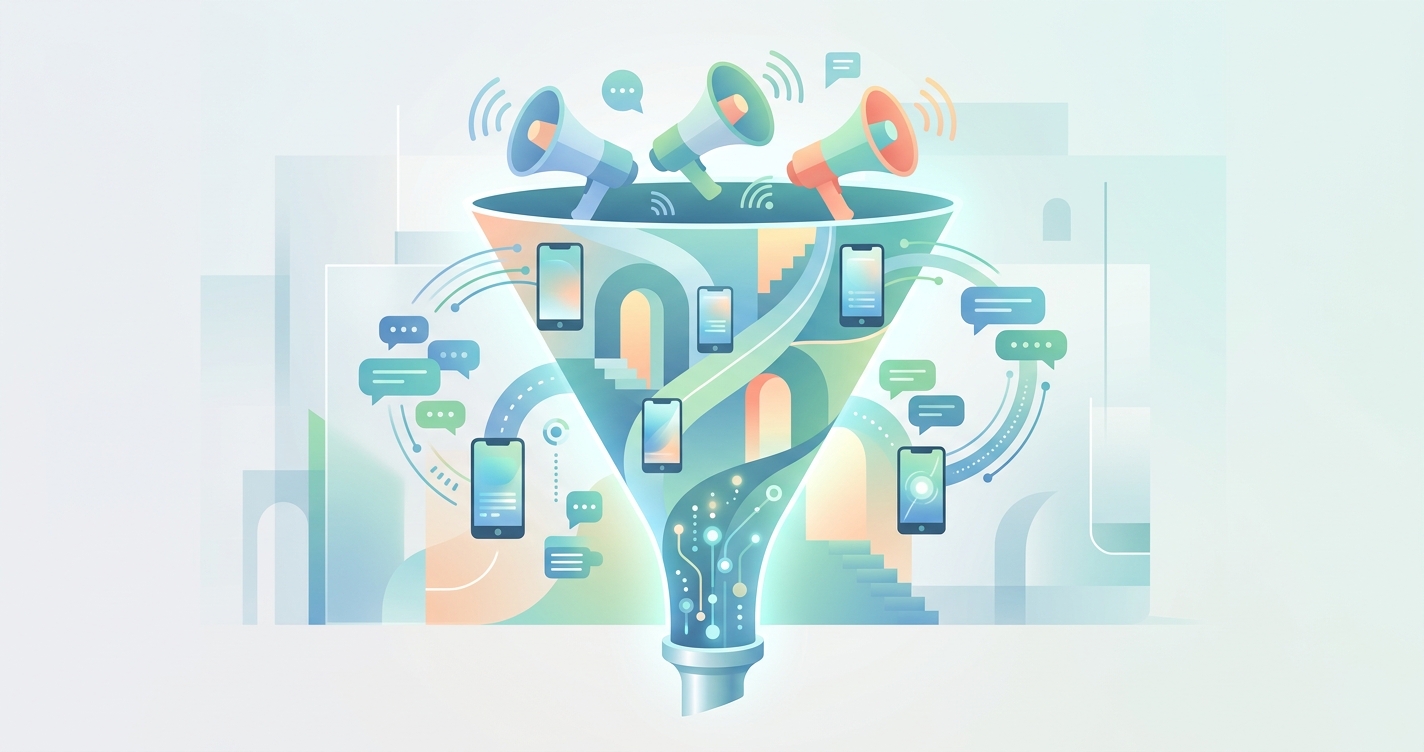
The difference between a highly utilized corporate benefit and a wasted budget line item rarely comes down to the quality of the intervention itself. Instead, it relies on how the initiative is introduced to the workforce. A comprehensive platform with biometric screening, mental health resources, and coaching cannot generate a return on investment if employees are unaware of its existence. Crafting effective workplace wellness program communication is the primary mechanism benefits directors have to transition employees from passive observers to active participants. When HR teams invest months negotiating contracts and planning logistics, the final step, the employee wellness communication plan, often defaults to a single, dense open enrollment email. That approach systematically fails. A structured communication strategy drives initial adoption, addresses privacy concerns before they harden into objections, and sustains engagement long after the launch week concludes.
"Nearly half of all employees receive benefits communications only once a year or not at all, directly contributing to the reality that 86% of workers remain confused about their available benefits and how to use them."
- 2023 Benefits Communication Report, Businessolver
The cost of silence in benefits rollouts
When an employer launches a new initiative without a sustained workplace wellness program communication strategy, the default employee reaction is skepticism or indifference. A 2014 study by Dr. Soeren Mattke at the RAND Corporation found that employee participation in health management programs routinely hovers below 20%. This low engagement is rarely due to active rejection; it is a symptom of poor visibility and misaligned messaging.
A communication plan must be treated as a change management exercise. Announcing new benefits requires multiple touchpoints across various channels because employees consume information differently based on their roles, locations, and generations. Relying on an intranet portal announcement is insufficient for a decentralized or hybrid workforce. When communication is strategic, benefits brokers and wellness directors see a marked difference in how quickly populations adopt new biometric screening rollouts and health assessments.
| Strategy Component | Traditional Benefits Communication | Strategic Wellness Communication |
|---|---|---|
| Frequency | Once per year during open enrollment | Year-round, multi-touchpoint campaigns |
| Messaging Focus | Feature-heavy, focusing on vendor capabilities | Benefit-heavy, focusing on employee outcomes |
| Delivery Channels | Long-form emails and printed brochures | SMS nudges, slack integrations, manager talking points |
| Privacy Concerns | Buried in a dense terms of service document | Addressed upfront in plain language |
| Leadership Role | Passive sponsor | Active participant and vocal champion |
A 5-step workplace wellness program communication plan
Implementing a structured sequence removes the guesswork from launching a wellness program. This five-step model ensures the message reaches the right audience at the right time.
Step 1: pre-launch teasing and awareness
Do not wait until the program is live to start talking about it. Two weeks prior to the official launch, begin seeding the idea that a new health resource is coming. The goal is to build anticipation and prime the workforce for a change.
- Distribute a brief "save the date" message highlighting the upcoming launch.
- Focus on the primary pain point the program solves.
- Keep the language brief and action-oriented.
Step 2: the leadership announcement
The official launch message should not come from a generic HR email address. It must come from senior leadership. When the CEO or a highly visible executive announces the workplace wellness program communication, it signals that the initiative is a corporate priority, not an administrative afterthought.
- Have leadership frame the program around the company's commitment to employee well-being.
- Explicitly state that employees are encouraged to take time during their workday to complete the onboarding or screening process.
- Include a direct link to the platform or the scheduling tool.
Step 3: clear and accessible instructions
Once the program is announced, employees need to know exactly what to do next. Complex login procedures and multi-page PDFs create friction that destroys adoption rates. The logistics communication must be ruthlessly simplified.
- Use visual guides or short video walkthroughs showing the process.
- Break the instructions down into three or fewer steps.
- Highlight the estimated time to completion (e.g., "Complete your health assessment from your phone in under five minutes").
Step 4: addressing privacy and hesitations
Privacy is the primary reason employees opt out of corporate health initiatives. If an employee suspects their manager will see their blood pressure reading or that their data will be used to adjust their health insurance premiums, they will not participate.
- Dedicate a specific communication entirely to data security and HIPAA compliance.
- State clearly what the employer can and cannot see (aggregate reporting versus individual data).
- Provide a direct contact for employees who have specific questions about data handling.
Step 5: ongoing nudges and reminders
A successful rollout does not end after week one. The majority of employees require multiple reminders before they take action. An effective employee wellness communication plan maps out a 90-day engagement sequence.
- Send targeted reminders only to employees who have not yet registered or completed their screening.
- Share aggregate success metrics (e.g., "Over 60% of our team has already completed their scan").
- Integrate reminders into regular team meetings and internal newsletters.
Industry Applications
Managing remote workforces
For organizations with heavily distributed or work-from-home populations, traditional communication methods like breakroom posters are obsolete. In these environments, communication must rely on digital channels that integrate into the daily workflow. Utilizing instant messaging platforms, company-wide virtual town halls, and personalized email cadences is critical. A digital biometric screening platform requires a digital-first communication strategy to match.
Engaging shift and retail workers
Non-desk workers present a unique communication challenge. They do not sit in front of email all day, and they often operate on staggered schedules. For this demographic, SMS text messaging, mobile app notifications, and physical shift-change huddles are far more effective than an intranet post. Equipping shift managers with brief talking points ensures the message is delivered consistently across all locations and time zones.
Current research and evidence
The empirical data supporting the need for rigorous communication structures is substantial. Dr. Jim Harter, Chief Scientist for Workplace Management and Wellbeing at Gallup, noted in a 2017 analysis that only 60% of employees are even aware of their company's wellness program. Of that aware population, only 40% actually participate. This compounded attrition means the vast majority of an employer's population remains entirely unengaged, nullifying any potential return on investment.
Further research from the RAND Corporation reinforces that frequency and channel diversity matter. Organizations that rely exclusively on annual benefits guides see significantly lower engagement than those that communicate year-round. When researchers isolate programs that achieve high participation, the distinguishing factor is rarely the incentive dollar amount; it is the clarity, frequency, and empathy of the communication.
The future of workplace wellness program communication
As benefits technology evolves, so too will the methods used to communicate it. The future of the employee wellness communication plan lies in hyper-personalization. Generic, company-wide blasts will be replaced by targeted messaging based on employee preferences and behaviors.
Digital administration is already transforming benefits communication. A modern wellness platform might detect that an employee prefers to engage via text message on weekend mornings and schedule nudges accordingly. Furthermore, as digital biometric screening solutions become the standard, the communication loop will tighten. Instead of reminding an employee to book an appointment with a clinic three weeks from now, the communication will prompt them to complete a digital health check on their smartphone immediately.
Frequently asked questions
Why do most wellness program communications fail?
They fail because they are treated as one-time announcements rather than ongoing marketing campaigns. Employers often send a single, dense email during open enrollment and assume the workforce will retain the information, leading to low awareness and participation.
How often should we communicate about our wellness program?
Communication should be year-round. While the initial rollout requires a high frequency of messages over a two- to four-week period, employers should maintain a baseline of communication at least monthly. This can include sharing aggregate success data, highlighting specific features, or tying the program to national health awareness months.
What is the best channel for benefits communication?
There is no single best channel; a multi-channel approach is mandatory. Office workers might respond best to email and direct messaging applications, while field workers or retail staff often require SMS nudges, manager talking points, and mobile app notifications.
How do we handle employee privacy concerns in our messaging?
Address privacy immediately and directly. Do not bury data security protocols in fine print. Use plain language to explain that individual health data is secured, HIPAA-compliant, and that the employer only receives aggregate, de-identified reports.
Moving toward better engagement
A well-designed wellness initiative deserves a rollout strategy that matches its potential impact. When benefits directors transition from passive announcements to active, multi-channel campaigns, they solve the awareness gap that plagues most corporate health investments. Implementing a digital-first approach Modernizes the benefit itself. Simplifies how it is communicated to the workforce. Carescan eliminates the logistical friction of onsite biometric events by allowing employees to complete their health assessment directly from their smartphones. This fundamental shift makes driving adoption easier, as the call to action is immediate and accessible from anywhere. To learn more about modernizing your health engagement strategy and launching a seamless digital screening initiative, explore how forward-thinking organizations are structuring their programs at circadify.com/industries/health-systems.