Closing the Loop: A Guide to Post-Screening Employee Care
Discover how forward-thinking benefits brokers and wellness directors are closing the gap between biometric screening results and employee health engagement.
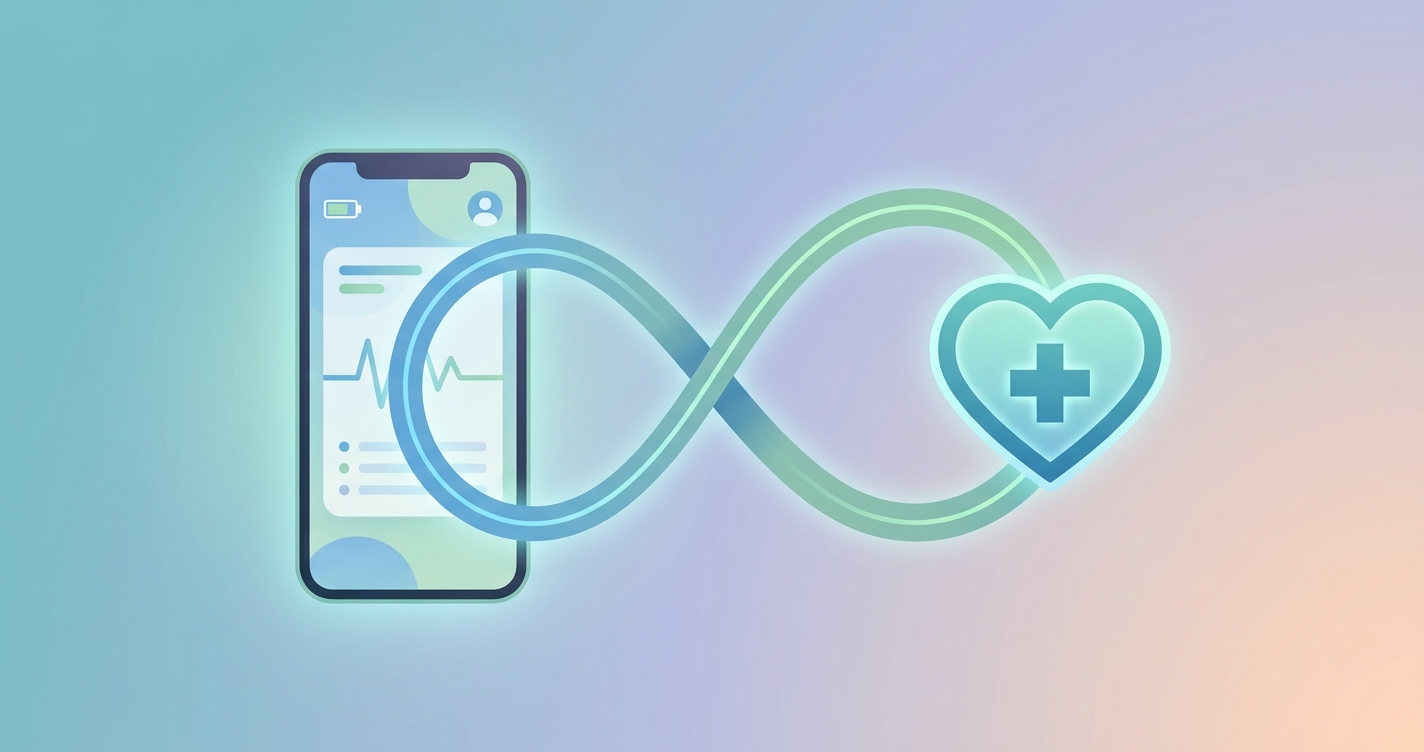
Employers and benefits consultants have spent decades perfecting the logistics of the annual biometric screening, contracting vendors, securing conference rooms, and urging participation. Yet, extracting a drop of blood or measuring blood pressure is only the diagnostic beginning. The actual value of any corporate health initiative rests on what happens the day after the results are delivered. Historically, that answer has been minimal. Maximizing employee health engagement requires moving beyond isolated data collection to create a seamless continuum of care where identified risks immediately trigger targeted interventions. When an organization treats the health screening as a standalone event rather than the first step in a broader care navigation strategy, they are effectively paying for data they will never use to improve population health. The traditional model is broken, not because the clinical metrics are inaccurate, but because the follow-up infrastructure is practically non-existent.
"While many employees participate in initial health risk assessments and screenings, subsequent engagement in follow-up interventions designed to improve health behaviors often plummets to 10 to 20 percent, highlighting a critical gap in program design." "RAND Corporation Workplace Wellness Programs Study" (Soeren Mattke et al., RAND Corporation, 2013)
The disconnect in employee health engagement
When a benefits team receives aggregate screening data from a traditional vendor, the typical response is to launch a broad communication campaign. An employee with newly identified hypertension might receive an automated email about a generic stress management webinar or a generalized pamphlet on cardiovascular health. This untargeted approach explains why so many programs fail to shift clinical outcomes. High employee health engagement depends entirely on immediacy and relevance.
The gap between receiving a concerning health metric and scheduling an appointment with a primary care provider or a specialized health coach is where behavioral momentum is lost. If an employee has to navigate a fragmented benefits portal, look up in-network providers, and self-initiate a coaching protocol, the administrative friction is usually too high to overcome. The system demands that the employee act as their own care navigator, a role few are equipped or motivated to take on when dealing with a newly discovered health risk.
| Feature | Traditional Post-Screening | Closed-Loop Digital Care |
|---|---|---|
| Result Delivery | Static PDF report or mailed letter weeks later | Real-time digital dashboard upon scan completion |
| Intervention Routing | Broad emails about generic wellness programs | Direct pathways to relevant telehealth or coaching |
| Employee Effort | High (must self-navigate network and benefits) | Low (embedded links and automated scheduling) |
| Data Utility | Stagnant aggregate reports for HR | Dynamic tracking of engagement and follow-up metrics |
Integrating screening data with immediate action steps yields several distinct operational advantages for the employer:
- Reduces the cognitive load on the employee when deciding on next steps.
- Accelerates the timeline from risk identification to clinical or behavioral intervention.
- Maximizes the utilization of existing point solutions, such as digital therapeutics or chronic care management programs.
- Lowers overall administrative burden on human resources teams who no longer have to act as middlemen for wellness routing.
Industry applications for closed-loop systems
Distributed corporate teams
The shift toward hybrid and remote work has structurally dismantled the traditional health fair. When half the workforce operates out of home offices, a centralized screening event in the headquarters lobby is mathematically guaranteed to have low participation. While some employers have attempted to bridge this gap with mailed home test kits, the logistical hurdles, such as remembering to fast, pricking a finger, packaging the sample, and dropping it at a shipping facility, result in notoriously low return rates. A closed-loop digital solution eliminates this friction entirely. Employees can assess their baseline metrics using their own devices and immediately receive routing instructions to virtual primary care providers if an anomaly is detected.
Logistics and manufacturing
In environments where employees are bound by strict shift schedules and production quotas, asking a worker to step away from the line for a forty-five-minute clinical assessment is disruptive and costly. Furthermore, if the screening reveals a health concern, the follow-up process must accommodate non-standard working hours. A digital-first approach allows shift workers to engage with health assessments on their own time, seamlessly connecting them to on-demand telehealth resources or text-based coaching that fits into their unique daily rhythms.
High-turnover retail workforces
Retail environments face the dual challenges of high employee turnover and geographically dispersed storefronts. Setting up onsite clinics at hundreds of individual retail locations is financially impossible. Consequently, retail workers are frequently excluded from comprehensive wellness initiatives. By deploying a smartphone-based assessment tool that instantly links to centralized corporate health resources, such as an Employee Assistance Program or a digital diabetes prevention program, benefits brokers can finally offer a scalable intervention model to populations that have historically been unreachable.
Current research and evidence
The academic consensus regarding workplace wellness programs heavily supports the necessity of direct intervention rather than mere data collection. In a comprehensive 2019 study published in JAMA, researchers Zirui Song and Katherine Baicker from Harvard Medical School analyzed data across 160 worksites encompassing approximately 33,000 employees. The findings indicated that while wellness programs improved self-reported healthy behaviors, they produced no significant short-term alterations in clinical health measures, healthcare spending, or absenteeism. The data suggests that simply making employees aware of their health status is insufficient to drive measurable clinical change without a structured, highly integrated pathway to care.
Similarly, the Illinois Workplace Wellness Study, conducted by David Molitor and Julian Reif at the University of Illinois in 2020, yielded comparable insights. The researchers designed a randomized controlled trial to measure the effects of financial incentives on wellness program outcomes. The study demonstrated that while monetary rewards successfully increased initial participation in health screenings, the lack of connected, closed-loop interventions meant the program failed to significantly affect medical spending or absenteeism after one year. The consensus among clinical researchers is clear: executing a screening event without an immediate, guided linkage to care generates raw data, but it does not generate improved health.
The future of post-screening follow-up
The trajectory of corporate health management is shifting rapidly away from event-based logistics toward continuous, technology-enabled care navigation. Relying on an annual physical event will increasingly be replaced by decentralized data capture, where employees assess vital metrics directly from their smartphones, followed by automated digital routing to appropriate medical and behavioral resources. By removing the friction of the onsite clinic, benefits teams can redirect their budgets away from event management and toward the actual clinical interventions that improve workforce health.
The next iteration of benefit design will rely heavily on interoperability. Screening platforms will no longer operate as siloed data repositories. Instead, they will function as integration hubs, using Application Programming Interfaces to instantly connect a user with elevated stress markers to a mental health application, or a user with high blood pressure to a chronic care management module. This interconnected ecosystem represents the final maturity stage of corporate wellness, transforming the biometric screening from a static annual requirement into a dynamic, daily health operating system.
Frequently asked questions
What is a closed-loop wellness program?
A closed-loop wellness program ensures that the data gathered during a health assessment automatically connects the employee to relevant, company-sponsored resources, such as health coaching or primary care, without requiring the individual to navigate the benefits ecosystem independently.
How does post-screening follow-up affect return on investment?
Most medical cost savings in workplace health programs stem from managing chronic conditions. Without effective post-screening follow-up, high-risk individuals remain unmanaged, preventing the employer from realizing the financial benefits of early intervention and preventive care.
Why do employees ignore their screening results?
Employees often fail to act on screening results due to a lack of clear direction, fear of medical costs, or the complexity of finding an in-network provider. Removing these barriers through direct digital navigation increases the likelihood of action.
Can digital tools replace traditional health coaches?
Digital tools do not necessarily replace human health coaches; rather, they optimize how those coaches are deployed. By automating the initial screening and routing process, digital platforms ensure that human coaching resources are directed toward the employees who require the most intensive support, maximizing the efficiency of the wellness budget.
The administrative burden of organizing an annual health fair and the frustration of low intervention uptake are no longer mandatory components of benefit design. Forward-thinking benefits brokers and corporate wellness directors are recognizing that true employee health engagement requires accessible screening tied directly to action. Carescan provides an end-to-end solution that eliminates expensive onsite biometric events, allowing employees to scan from their phone and seamlessly connect with subsequent health resources. To see how decentralized health assessments can transform your corporate wellness strategy and close the loop on employee care, explore our Enterprise wellness demo.