Why does my new job want a face scan before open enrollment starts?
Confused about a face scan for benefits? Learn why employers use camera-based biometric screening for open enrollment to inform plan selection and incentive eligibility.
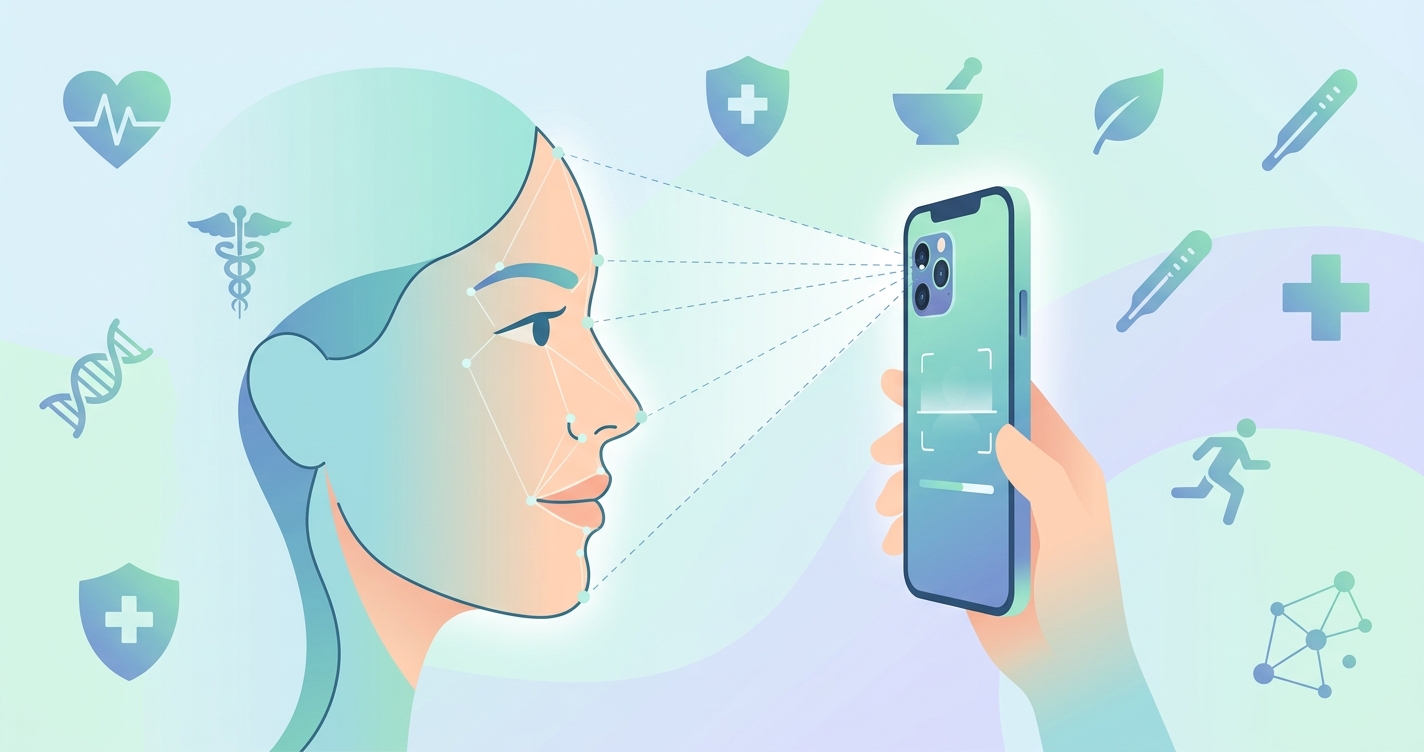
Your first few weeks at a new job are typically a whirlwind of onboarding, training, and paperwork. But this year, you might encounter a new step: a request to complete a "face scan" with your smartphone before your open enrollment period for benefits begins. This request, while seemingly strange, is part of a significant shift in how employers approach workplace wellness and benefits administration. It's not about facial recognition, but about using new technology to make health screenings more accessible, convenient, and timely for the open enrollment process. The primary open enrollment biometric face scan reason is to provide you with a baseline of your health metrics, which can empower you to make more informed decisions about your health plan and wellness options for the upcoming year.
"A 2023 survey by the Business Group on Health found that 78% of large employers offer wellness programs, with biometric screenings being a core component for 65% of them. The trend is moving toward virtual or remote options to increase participation."
The shift from onsite events to digital screening
For decades, the standard for employer-sponsored biometric screenings was an onsite event. This involved wellness vendors setting up stations in a conference room where employees would have their blood drawn and vital signs measured. While effective, this model has always been burdened with logistical challenges, high costs, and participation friction. Employees might have to fast, wait in line, and take significant time away from their work. For remote or geographically dispersed workforces, the model breaks down entirely. The open enrollment biometric face scan reason employers are embracing this new technology is to solve these exact problems.
Camera-based screening, powered by technology known as remote photoplethysmography (rPPG), replaces the need for these costly and disruptive events. Instead of scheduling an appointment or waiting for an annual health fair, employees can complete a comprehensive biometric screening in minutes, directly from their smartphone or computer camera. This technology measures key health indicators by detecting subtle, imperceptible changes in the light reflected from the skin. It's a secure, convenient, and private way to gather the same critical data that once required a physical appointment.
| Feature | Onsite Biometric Screening | Camera-Based Digital Screening |
|---|---|---|
| Logistics | Requires physical space, vendor scheduling, and event coordination. | Asynchronous and on-demand; no physical setup required. |
| Employee Experience | Requires fasting, travel/wait time, and is often a public event. | Private, convenient (2-5 minutes), and can be done from anywhere. |
| Cost Structure | High fixed costs, per-person fees, and travel expenses for vendors. | Lower per-scan cost, no event overhead, scalable for all employees. |
| Data Turnaround | Days or weeks for aggregate reporting. | Real-time individual results and immediate aggregate data for administrators. |
| Accessibility | Limited to employees at a specific location on a specific day. | Accessible to all employees, including remote, hybrid, and deskless workers. |
Industry Applications
The move to digital biometric screening extends far beyond simple convenience. It has practical applications that directly impact benefits design and employee well-being.
### informing plan selection
One of the most direct applications is empowering employees to choose the right health plan. By providing a current snapshot of their health (e.g., blood pressure, heart rate, stress levels), employees can better assess their potential healthcare needs for the coming year. Someone who discovers their blood pressure is elevated might opt for a plan with better coverage for specialist visits or prescription drugs.
### wellness program incentives
Many employers tie financial incentives, like premium discounts or HSA contributions, to participation in wellness activities. A digital scan provides a low-friction way to meet this requirement. It allows companies to verify participation and trigger incentives without the administrative burden of tracking down forms from thousands of employees who went to different labs or clinics.
### aggregate data for benefits strategy
While individual results are strictly confidential under laws like HIPAA, the aggregated, anonymized data gives benefits leaders powerful insights. If an employer sees a high prevalence of elevated stress levels or cardiovascular risk across the organization, they can proactively implement targeted wellness programs, resources, or digital therapeutics. This allows them to design benefits packages that address the actual health needs of their workforce.
Current research and evidence
The technology behind camera-based screening, rPPG, has been the subject of extensive academic research. Studies have focused on validating its accuracy against traditional medical devices. Research published in journals like Circulation: Cardiovascular Quality and Outcomes and by institutions such as the University of South Australia has consistently shown a high degree of correlation.
A 2021 study led by Dr. Ramakrishna Mukkamala at the University of Pittsburgh demonstrated that smartphone-camera measurements of heart rate and respiratory rate were comparable to those from standard clinical monitors. The key is that the software analyzes the video feed to detect blood volume changes in the face, which correspond to a user's pulse. This is not science fiction; it is applied signal processing that has been refined over the past decade. As the technology has matured, its reliability has made it a viable tool for wellness applications where medical-grade, diagnostic data is not required, but a valid health snapshot is.
The future of open enrollment biometric face scans
The use of camera-based health assessments during open enrollment is just the beginning. The technology is rapidly evolving, with future versions expected to measure an even wider range of biomarkers, from blood oxygen levels to hemoglobin. The ultimate goal is to create a seamless, "check-engine light" for human health that is integrated directly into the employee benefits experience. As employers continue to seek ways to control healthcare costs and improve employee well-being, providing accessible, data-driven tools will become a standard part of the modern benefits package. The open enrollment biometric face scan reason today is about convenience and data; tomorrow, it will be about proactive, continuous health engagement.
Frequently asked questions
Is my employer spying on me or seeing my health results?
- No. Your individual health data is protected by federal laws like HIPAA. Your employer only receives aggregated, anonymized data to analyze trends for the entire workforce. They cannot see your personal results.
Is a face scan the same as facial recognition?
- No. The technology does not identify you. It analyzes pixels in a video of your face to detect subtle color changes that indicate blood flow. Your image is not stored or used for identification purposes.
What if I have a serious health condition? Should I still do the scan?
- A camera-based wellness screening is not a diagnostic tool and is not a substitute for a visit with your doctor. It is a wellness assessment to provide a snapshot of your current health. If you have a known health condition, you should always consult with a medical professional.
Why is this required before open enrollment?
- The timing is designed to help you. By getting a baseline of your health metrics before you select your benefits, you can make a more informed decision about which health plan is the best fit for your needs in the upcoming year.
As employers and benefits brokers look for more effective ways to manage population health and reduce the administrative friction of traditional wellness programs, innovative solutions are leading the way. Circadify is at the forefront of this shift, providing the technology to make health screenings more accessible and data-driven. To learn more about how digital biometric screening can fit into your benefits strategy, explore our solutions for health systems at circadify.com/industries/health-systems.