Biometric Screening for Retail and Shift Workers: A How-To
A practical guide for employer health consultants on executing biometric screening for retail workers and shift staff without the logistical friction of onsite events.
Corporate wellness programs were designed for corporate headquarters. For benefits brokers and employer health consultants managing non-desk populations, the traditional onsite health fair model breaks down almost immediately. Trying to organize biometric screening for retail workers or distributed shift staff creates massive logistical friction. Store managers refuse to pull associates off the floor, clinical vendors charge exorbitant minimums for small regional branches, and third-shift employees are entirely left out of the morning blood draw schedule. The result is a fragmented employee health engagement strategy where the populations at the highest risk receive the least amount of preventative assessment. When screening for frontline staff is treated as an afterthought, employers miss critical data points that drive long-term healthcare costs.
"Night shift work is significantly associated with an increased risk of total cardiovascular disease mortality. For every 5-year increase in night shift work duration, there is a 4% increased risk of CVD mortality and a 7% higher risk of CVD incidence." , 2025 Systematic Review and Dose-Response Meta-Analysis, published in PubMed Central (PMC)
The economic friction of biometric screening for retail workers
Traditional screening models operate under the assumption of centralized employee density. When a workplace wellness program tools vendor dispatches a clinical team, they need to process fifty to a hundred participants in a single day to justify the mobilization cost. For retail chains, hospitality groups, or manufacturing plants, employees are scattered across dozens or hundreds of locations. An employer health consultant trying to secure biometric screening for retail workers is forced into a highly inefficient scenario: pay severe un-utilized capacity fees to send nurses to a retail branch with only twelve employees, or force those employees to visit an off-site laboratory on their day off.
The financial implications of off-site lab vouchers are equally problematic. While vouchers eliminate the onsite minimum headcount fees, they shift the burden of logistics entirely onto the employee. Fatigue and time constraints prevent off-site lab visits during personal hours, causing utilization rates to plummet. A review of HR strategies across the industry indicates that 76% of professionals find benefits utilization far more challenging for deskless workers than for office-based staff. This participation gap is alarming when viewed alongside the unique physiological stress placed on hourly employee wellness. Irregular schedules, sleep disruption, and the physical demands of frontline work accelerate the onset of metabolic conditions.
| Screening Model | Logistics & Implementation | Cost Structure | Participation Impact | Best Suited For |
|---|---|---|---|---|
| Onsite Nurse Events | High friction, requires minimum headcounts per location | High fixed costs, minimums often un-met in retail | Low for third-shift and distributed staff | Centralized corporate offices |
| Offsite Lab Vouchers | Moderate friction, requires employee travel and scheduling | Pay-per-use, but low utilization yields poor data | Very low, as it requires off-hours commitment | Motivated individuals with flexible schedules |
| Digital/Mobile Screening | Low friction, asynchronous execution via smartphone | Scalable software-as-a-service model | High, integrates into daily digital workflows | Retail workers, shift staff, distributed teams |
The barriers to executing a successful shift worker health screening program include:
- Unpredictable scheduling that conflicts with fixed onsite clinic hours.
- High turnover rates that make annual, single-day wellness events inefficient.
- Lack of dedicated private space within retail storefronts for clinical blood draws.
- Severe fatigue and time constraints preventing off-site lab visits during personal hours.
- Disconnected communication channels, as deskless workers rarely check corporate email.
Industry Applications
Large-scale retail chains
Retail organizations operate on tight margins and lean staffing models. Pulling two cashiers off the floor for twenty minutes to have their blood pressure checked creates immediate operational bottlenecks. Store managers are incentivized to maintain throughput, not to manage clinical logistics. Mobile-first digital biometric screening platforms allow employees to complete health assessments asynchronously, from home or the breakroom, without disrupting store operations or requiring the employer to rent out a local conference room for regional screening.
24/7 Manufacturing and Warehousing
Shift workers in manufacturing facilities face distinct cardiovascular and metabolic risks compared to office staff. A corporate wellness biometric screening initiative here must account for first, second, and third shifts equally. Digital assessment tools remove the need to staff an onsite clinic at three in the morning, giving night shift workers the exact same access to preventative insights as the daytime administrative staff. This equalizes the benefits offering across the entire corporate structure.
Hospitality and food service
Much like retail, hospitality teams are highly distributed across various shifts and physical locations. An employer health assessment technology that lives on an employee's personal device ensures that frontline staff across different restaurants or hotel properties can engage with the workplace wellness program. It entirely removes the complex web of visiting nurse schedules and allows human resources teams to deploy a standardized benefit universally.
Current research and evidence
The clinical necessity of screening frontline staff is well-documented, specifically regarding the adverse health outcomes associated with irregular working hours. A 2022 prospective cohort study utilizing data from the UK Biobank, led by researchers Liu Yang and Yi Luo and published in the Journal of the American Heart Association, examined the health trajectories of 36,939 hypertensive patients. The study investigated individuals who worked irregular hours and found that working more than ten night shifts per month significantly increased the risk of cardiometabolic multimorbidity, defined as the coexistence of two or more cardiometabolic diseases.
Furthermore, irregular schedules fundamentally alter how employees interact with employer benefits. Traditional corporate wellness programs assume a level of routine that simply does not exist for hourly employee wellness. Employees working volatile schedules cannot reliably fast for twelve hours prior to a scheduled morning appointment. They require interventions that adapt to their reality. Transitioning to asynchronous, mobile-based health assessments addresses these behavioral barriers, allowing employees to engage with their health data at a time that aligns with their personal schedule.
The future of shift worker health screening
Benefits brokers and corporate wellness directors are recognizing that parity in health benefits requires parity in access. The future of corporate wellness biometric screening lies in decoupling the assessment from a physical location entirely. By shifting the initial health assessment to a digital, smartphone-based interface, employers can screen their entire population on day one, regardless of location, shift, or job title.
This transition enables wellness programs to function continuously rather than annually. Instead of waiting for a yearly health fair, employees can monitor their health risk indicators dynamically throughout the year. For employer health consultants, this provides real-time population health data that can be used to tailor interventions, negotiate carrier rates, and direct high-risk individuals into clinical care pathways before severe, high-cost health events occur. A digital approach transforms employee health engagement from a passive, inconvenient chore into an integrated part of the employee experience.
Frequently asked questions
Why is biometric screening for retail workers difficult to execute? Retail employees are distributed across many locations in small headcounts, making traditional onsite nurse events cost-prohibitive. Furthermore, lean staffing models in retail make it difficult to pull employees off the floor for clinical assessments without disrupting store operations.
How does shift work impact employee health? Irregular hours and night shifts disrupt circadian rhythms. Research indicates that frequent night shift work is associated with a higher incidence of cardiovascular disease, sleep disturbances, and cardiometabolic multimorbidity compared to standard daytime schedules.
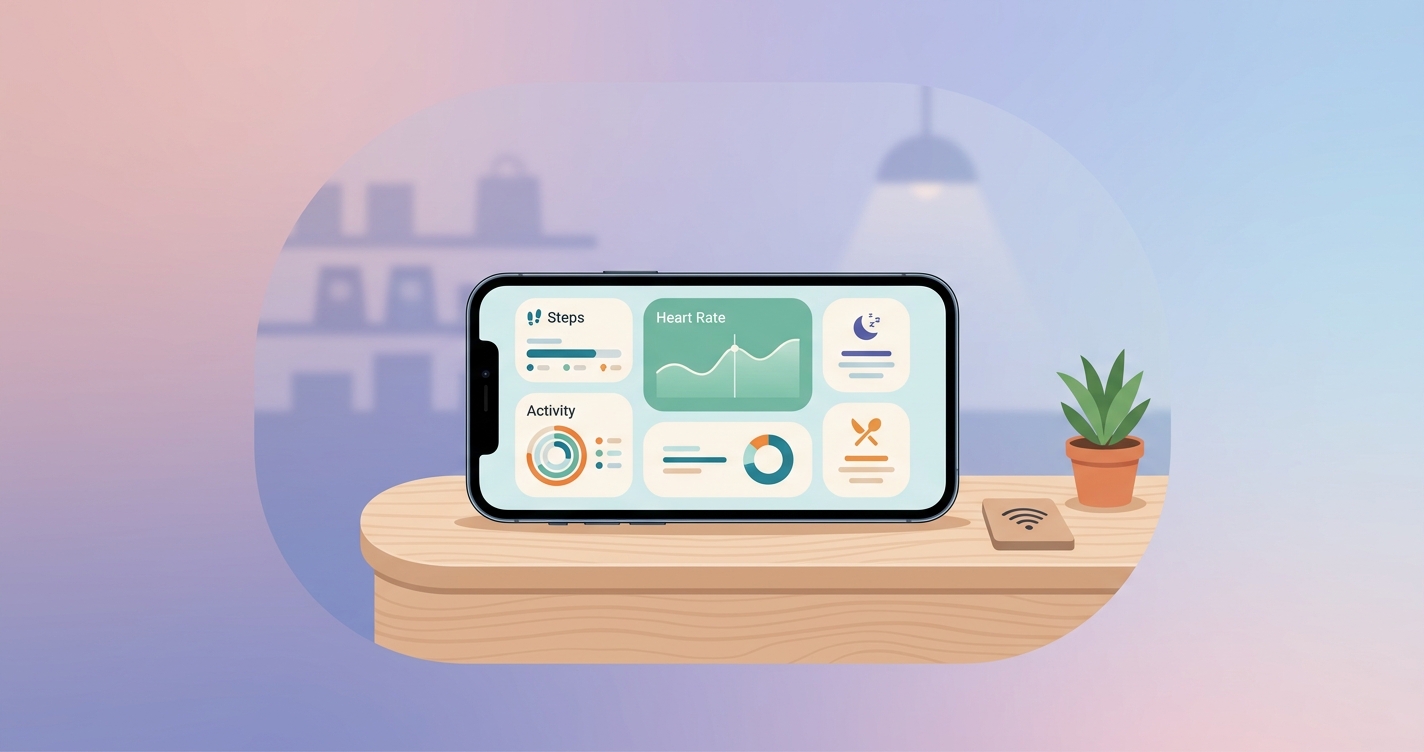
What is a digital biometric screening platform? A digital platform replaces the physical blood draw and onsite nurse visit with mobile software. Employees use their smartphone to complete an employer health assessment remotely, generating health indicators and risk profiles without needing to visit an onsite clinic or diagnostic lab.
How do benefits brokers use this technology? Brokers and consultants deploy digital screening tools to increase program participation across dispersed workforces. This generates superior population health data and differentiates their workplace wellness program tools from standard, rigid insurance carrier offerings.
As the logistics of managing distributed workforces become more complex, employers can no longer rely on centralized clinical events to assess population health. The traditional models are too expensive, too slow, and entirely misaligned with the reality of hourly and non-desk labor. Circadify is directly addressing this gap by providing a scalable, mobile-first infrastructure that entirely bypasses the need for visiting nurses and off-site lab slips. If you are an employer health consultant or benefits broker looking to deploy an effective solution for dispersed teams, learn more by exploring our Enterprise wellness demo.