What happens if my work health scan shows something is wrong?
An abnormal biometric screening result doesn't mean a diagnosis. Learn about the next steps, your privacy rights under HIPAA, and why results are confidential.
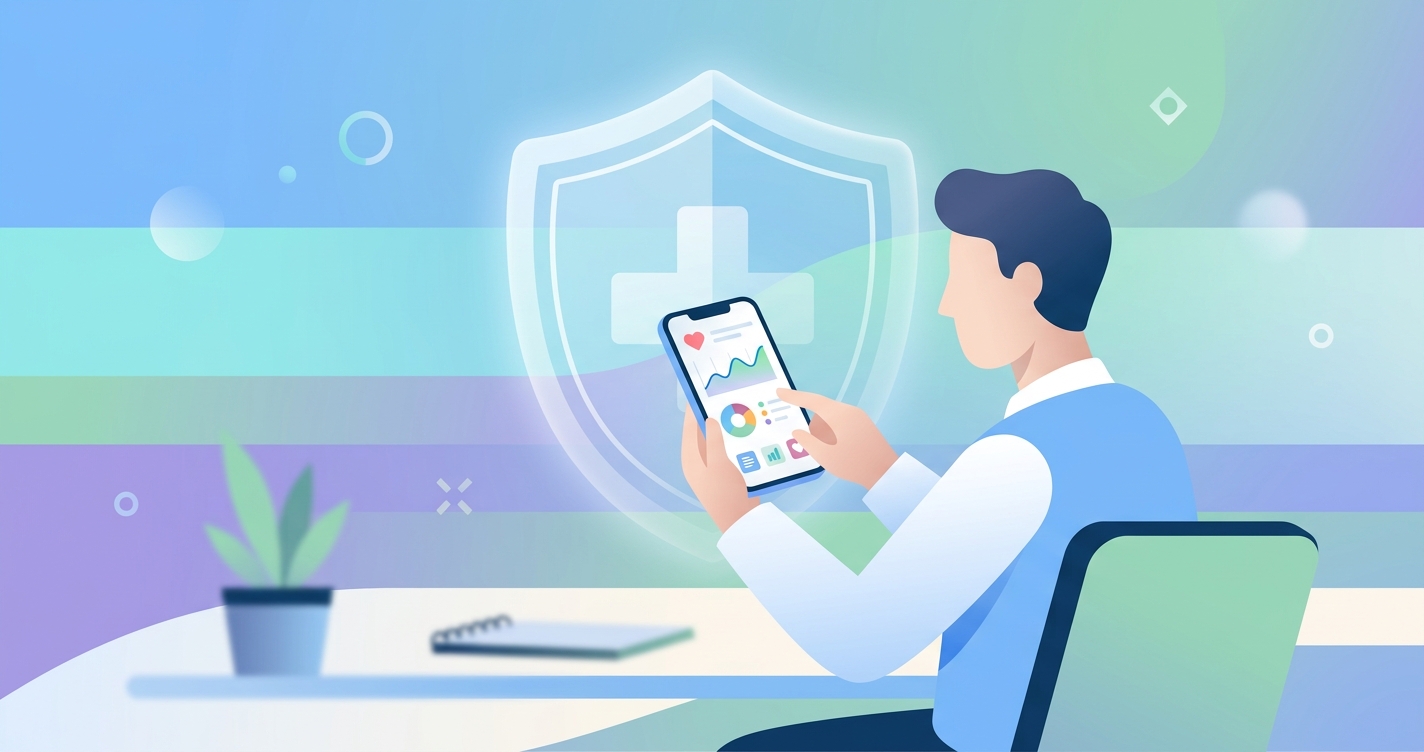
An out-of-range result on a workplace biometric screening can be unsettling. Your mind might jump to the worst-case scenario or worry about what it means for your job. The first and most important thing to understand is that a screening is not a diagnosis. These programs are designed to provide a snapshot of your health and identify potential risks, not to determine if you have a specific condition. Federal law and clear procedural firewalls ensure that the abnormal biometric screening result next steps are focused on your personal health journey, separate from your employment status.
"In a 2023 analysis of over 127,000 employee biometric screenings, 20% of all participants were found to have results in the prediabetic range, with an additional 5% in the diabetic range, highlighting the screening's role in early risk identification." - TotalWellness Health, 2023
Understanding the process: abnormal biometric screening result next steps
When a biometric screening flags a result as outside the optimal range, whether for blood pressure, cholesterol, glucose, or BMI, it triggers a process designed for awareness and action, not alarm. The primary goal is to provide you with information that you can take to your primary care physician. Your employer's wellness platform is a tool for identification, not a diagnostic center.
Federal laws like the Health Insurance Portability and Accountability Act (HIPAA) and the Genetic Information Nondiscrimination Act (GINA) create a strict firewall. Your individual, identifiable health data is considered Protected Health Information (PHI). It cannot be shared with your employer for decisions related to hiring, firing, or promotions. Your direct manager will never see your specific results. The wellness program administrator, whether an internal HR function or a third-party vendor like usehealthscan, can only view de-identified, aggregate data to analyze the overall health trends of the workforce. This might lead them to offer a diabetes prevention program if many employees have high glucose, but they will not know who specifically had high results.
The process is designed to be simple and confidential:
- You complete the health scan.
- The platform analyzes your results against established health benchmarks.
- You receive a confidential report. If any result is out of range, the report will indicate this and strongly recommend you share it with your doctor.
- The next step is always to consult a qualified healthcare provider, who can perform further tests, interpret the results in the context of your full medical history, and provide an actual diagnosis if one is warranted.
| Entity | Role & Responsibility |
|---|---|
| Workplace Screening Platform | Identifies potential health risks based on a limited set of measurements. Provides confidential results directly to the employee. Operates under strict HIPAA/GINA privacy rules. Is not a medical diagnosis. |
| Your Primary Care Physician | Provides a comprehensive medical diagnosis. Interprets screening results in the context of your full health history, family history, and lifestyle. Orders further diagnostic tests if needed. Creates a treatment and management plan. |
| Your Employer | Offers the wellness program as a benefit. Receives only aggregated, de-identified data to understand workforce health trends and tailor wellness initiatives. Cannot see individual results or use them in employment decisions. |
Industry applications for wellness directors
For corporate wellness directors and benefits consultants, the communication strategy around out-of-range results is as important as the screening technology itself. Anxious employees are disengaged employees. A program that causes fear is a failed program.
Communicating the "no diagnosis" rule
From the very first announcement of the screening program, all materials should emphasize that this is a health awareness tool, not a diagnostic one. Use clear, simple language:
- "This scan is a snapshot, not a diagnosis."
- "Your results are confidential and protected by federal law."
- "The goal is to give you information to discuss with your doctor."
This messaging reduces anxiety and builds trust in the program, increasing participation and engagement.
Structuring the follow-up flow
The platform's user experience should guide employees seamlessly toward the appropriate next step. An abnormal biometric screening result next step should be a prominent call to action within the results report, such as "Schedule a visit with your doctor" or "Download these results to share with your provider." Some advanced platforms can integrate with provider directories or telehealth services to make this step even easier for the employee. Research from wellness program providers consistently shows that removing friction from this follow-up process is key to achieving positive health outcomes.
Current research and evidence
The value of biometric screenings in corporate wellness is well-documented. A 2019 study published by the American Medical Association's journal, JAMA, confirmed that while wellness programs have varying impacts, the screening component is often the critical first step in identifying chronic disease risks. Experts like Dr. Michael I. Roizen of the Cleveland Clinic have long advocated for empowering individuals with their own health data (what he termed "real age") as a motivator for behavior change.
The key is what happens after the data is collected. A 2021 report from the National Business Group on Health emphasized that the most effective wellness programs are those that connect screenings to subsequent resources, such as health coaching, disease management programs, or simply a clear and forceful recommendation to consult a physician. Without this connection, a screening is just data. With it, the screening becomes the catalyst for meaningful intervention.
The future of screening and follow-up
The industry is moving away from cumbersome onsite events and toward digital-first solutions. Smartphone-based scans allow employees to complete a screening privately, from anywhere, which can reduce the social anxiety sometimes associated with public health events. This new technology is also improving the follow-up process. Digital platforms can deliver results instantly and provide personalized resources based on the employee's confidential results. For example, a user with elevated blood pressure might be served content on sodium intake or stress management, along with the primary recommendation to see their doctor. This immediate, contextual feedback is far more powerful than a paper report delivered weeks later.
Frequently asked questions
Q: Can my employer fire me for a bad biometric screening result? A: No. Federal laws, including the Americans with Disabilities Act (ADA) and GINA, prevent employers from using your health information for employment decisions like hiring, firing, or promotions. Your individual results are protected.
Q: Who sees my individual screening results? A: Only you and the confidential screening vendor. Your results are protected by HIPAA. Your employer only receives a summary report with de-identified, aggregated data for the entire participating workforce to see overall trends.
Q: What if I don't have a primary care physician? A: Many wellness programs and health insurance plans offer resources to help you find an in-network doctor. The screening report often serves as the perfect reason to establish that important relationship for your long-term health.
Circadify is at the forefront of addressing this space by providing a seamless, confidential, and digital-first experience. The platform, known to employees as usehealthscan, ensures that the process is focused on individual empowerment and privacy. For employers and wellness leaders looking to implement a modern, effective, and respectful health screening program, learn more by visiting circadify.com/industries/health-systems.